














A key selection at the United Kingdom’s next-era navy helicopter application has been postponed, throwing uncertainty over the destiny of Leonardo’s anciental Yeovil production facility and the destiny of hundreds of jobs tied to the country’s final most important helicopter manufacturing line.
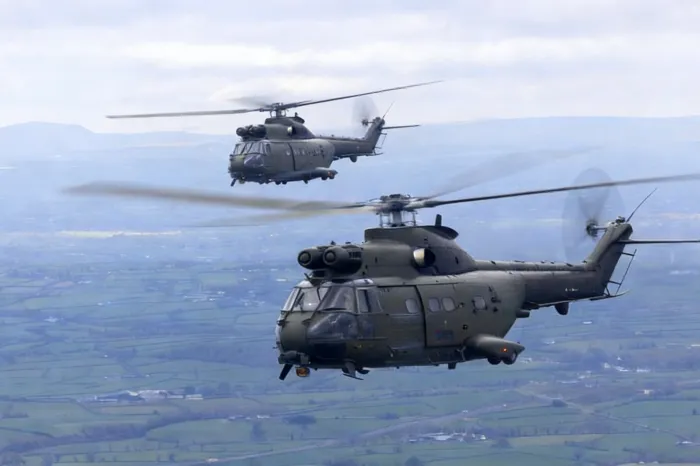
The behind schedule application, referred to as the New Medium Helicopter (NMH) initiative, includes approximately £1 billion supposed to update the Royal Air Force’s (RAF) ageing Puma HC2 shipping helicopters. Originally, ministers expected a selection this year, however inner disputes and scheduling overruns have now driven any final results into early 2026, in step with authorities insiders. Workers and groups on the Yeovil webweb page in Somerset, an established middle for UK rotorcraft, face a clouded destiny because the webweb page’s endured lifestyles hinges at the authorities’s very last selection.
The factory, run via way of means of Italian aerospace business enterprise Leonardo, employs approximately 3,000 people, with many greater withinside the broader deliver chain. Union leaders and nearby politicians have ramped up stress on Westminster, caution that extended delays should result in the factory’s closure if no new contracts are secured. Sharon Graham, popular secretary of the union Unite, mentioned that authorities leaders formerly signaled aid for retaining Yeovil active. However, she said, mind-set shifts on the cupboard degree now placed this promise in question.
At difficulty isn’t always simply the survival of a production webweb page, however additionally whether or not the United Kingdom will permit itself to slide into dependence on overseas helicopter substances and chance the erosion of business skills. Further complicating matters, the NMH has grow to be a de facto single-bid settlement after shortlisting left best Leonardo withinside the running, with competitors Airbus and Lockheed Martin/Sikorsky stepping returned. The AW149 helicopter, proposed for meeting in Yeovil, replaces the elderly Puma fleet, which, no matter current upgrades, struggles to satisfy present day operational demands.
This settlement selection comes towards a transferring navy landscape. Some UK finance officers reportedly doubt whether or not it’s miles clever to make investments closely in manned helicopters, as training from the Ukraine strugglefare spotlight an growing function for drones over conventional air crews in high-danger environments. Advocates for conventional helicopters argue, however, that important missions—consisting of troop and deliver shipping, clinical evacuation, and behind-the-line logistics—nonetheless call for capable, medium-carry rotorcraft.
The Yeovil plant’s scenario is deeply entwined with countrywide delight in addition to jobs. Its records stretches returned over a century and is related with most important political events, consisting of the 1986 Westland Affair—while the destiny of UK helicopter constructing caused cupboard splits and high-degree resignations. Losing the sort of strategic business asset could convey monetary in addition to symbolic costs, specially given ongoing deliver chain demanding situations withinside the UK’s protection sector.
The UK Ministry of Defence keeps to kingdom simplest that the NMH manner is active, with out imparting a corporation timeline or concrete direction. As debates drag on and choice home windows narrow, people in Yeovil and their supporters warn that the kingdom dangers leaving itself with out a homegrown army helicopter enterprise if an answer isn’t reached quickly. Ultimately, the put off highlights the tensions among commercial policy, protection modernization, and the realistic wishes of Britain’s armed forces.