















Music has become a powerful tool for artists to share the raw, personal realities of Borderline Personality Disorder (BPD), with an increasing number of songs exploring this complex condition and its impact on daily life, relationships, and self-understanding.
Unpacking Personal Stories in Songwriting
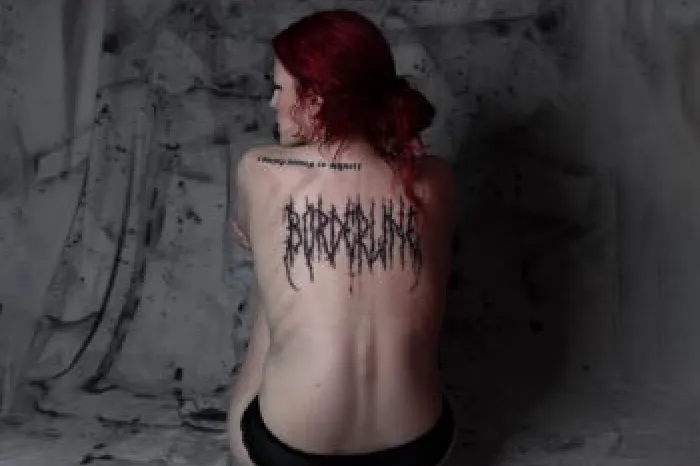
In Los Angeles, Mandi Crimmins channels her lived experience with BPD into her rock EP “BORDERLINE.” Crimmins began writing these deeply personal tracks before her diagnosis, finding comfort and clarity through creativity. Songs like “MELTDOWN” convey the intensity and turbulence that many with BPD experience, using candid lyrics and dynamic soundscapes as an emotional outlet. Other selections, such as “BREAK ME DOWN,” dive into themes of vulnerability and ongoing depression. Crimmins believes that songwriting is not just self-discovery but a way to connect with those facing similar inner struggles.
Exploring Relationships and Self-Reflection
Australian musician Dane Tutty, along with Chris No. 2 from Anti-Flag, tackles BPD head-on in their punk song “BPD” on the EP “Bend and Break.” Tutty’s lyrics reflect the confusion and emotional turmoil of supporting someone with BPD, especially during periods of distance and uncertainty. The song not only offers insight into the challenges of close relationships but also seeks to inspire compassion for all parties involved, using music as a bridge toward better understanding.
BPD in Television and Musical Comedy
The Emmy-winning TV show “Crazy Ex-Girlfriend,” led by Rachel Bloom, brings BPD experiences and symptoms to the spotlight through original songs and storytelling. Tracks like “Settle For Me” and “Tell Me I’m Okay, Patrick” blend humor with honest depictions of mental health challenges. The show’s mix of wit and empathy has resonated with audiences and mental health professionals, earning praise for its thoughtful approach to complex emotions without resorting to clichés.
Audience Impact and Reducing Stigma
Audience responses to songs about BPD vary widely, with some people finding the content challenging and others seeing it as validating and relatable. Regardless of individual reactions, these musical portrayals play a key role in demystifying BPD and fostering conversations about mental health. By turning difficult feelings and symptoms into art, musicians help listeners feel seen, understood, and less alone.
The Broader Role of Music in Mental Health
For creators and listeners alike, music about BPD is more than self-expression; it is an avenue for empathy, reflection, and collective healing. These works remind us that by transforming pain into shared experience, music unites people across backgrounds and helps chip away at the stigma surrounding mental health.