





















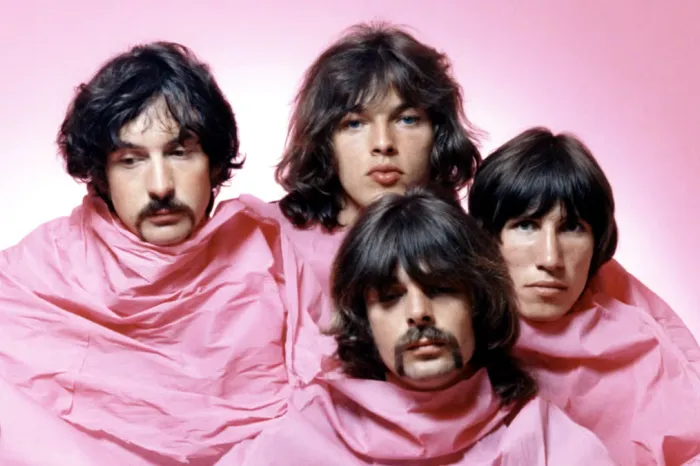
Pink Floyd’s iconic song “Wish You Were Here” is often mistaken for a simple love ballad about missing someone. However, its meaning runs much deeper than just romantic longing. Released in 1975 as the title track of their album, this classic rock anthem has become one of the most interpreted songs in music history. While many listeners connect the lyrics to feelings of distance and nostalgia, Roger Waters, the band’s primary songwriter, reveals that the song actually explores themes of alienation and the struggle to stay actively engaged in life.
Originally written as a poem, “Wish You Were Here” was transformed into a song when guitarist David Gilmour added music to Waters’ heartfelt words. The track is often linked to Syd Barrett, Pink Floyd’s original frontman who left the band due to health issues. Yet Waters insists that the song’s meaning extends beyond Barrett’s absence. It reflects the band’s collective sense of isolation following their massive success with “The Dark Side of the Moon,” touching on feelings of emotional detachment and existential reflection.
Waters explained in interviews that the song was a personal reminder not to accept passivity or complacency. Instead, it encourages staying involved in life’s challenges, symbolized by his desire to be “in the trenches” rather than detached or safe. This message resonates with many fans who find themselves relating to the song’s themes of struggle, connection, and perseverance.
The album “Wish You Were Here” itself is filled with stories marked by sadness and tension. One notable moment was when Syd Barrett visited Abbey Road Studios unannounced during the recording sessions for this ninth studio album—a deeply emotional event for the band. Despite such moments of pain, the album achieved great success, reaching No. 1 on the Billboard 200 chart and earning lasting acclaim worldwide.
Today, “Wish You Were Here” has surpassed one billion streams on Spotify, demonstrating its enduring popularity and impact. Even after more than five decades, listeners continue to find new meanings within its lyrics and melodies. This timeless classic remains a powerful example of how classic rock songs about love often carry complex emotions and broader existential ideas beneath their surface.
Classic rock love songs frequently blend personal emotions with larger themes that invite reflection. Pink Floyd’s masterpiece stands as a testament to how music can express both intimate feelings and universal experiences simultaneously. As fans revisit these songs, they uncover layers of meaning that keep classic rock relevant across generations.