

















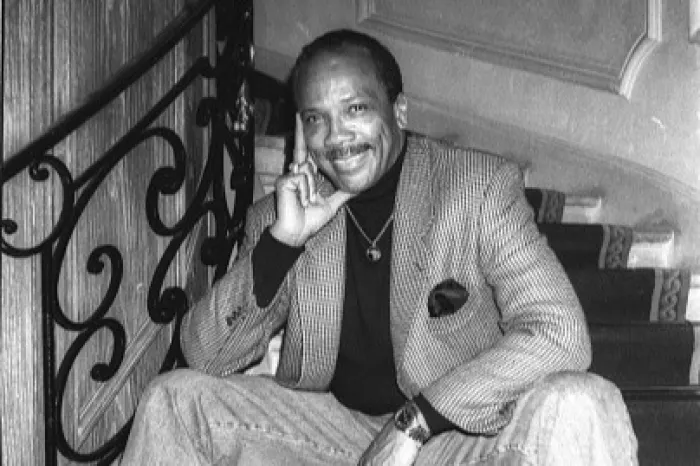
The rise of hip hop as a dominant cultural force was not merely a musical evolution but a profound social movement, shaped by artists and visionaries who recognized its power early on. Among these influential figures, Quincy Jones stands out as a pivotal architect who connected hip hop with broader musical traditions and helped cement its place in mainstream culture.
During the 1980s, amid economic struggles and social upheaval in Black and brown communities, hip hop emerged as a voice of truth and survival. It was more than entertainment; it was a form of reporting from neighborhoods often ignored by mainstream media. Artists like Public Enemy, Tupac Shakur, and The Notorious B.I.G. used their lyrics to highlight harsh realities, turning their music into bulletins that reflected societal challenges. Despite this growing influence, hip hop still faced resistance in mainstream cultural spaces dominated by rock and pop stars.
Quincy Jones, already a legendary producer and composer by the late 1980s, recognized hip hop’s significance early on. His 1989 album “Back on the Block” marked a groundbreaking fusion of jazz, R&B, pop, and rap, bridging generations and genres. By collaborating with prominent hip hop artists alongside established jazz and R&B legends, Jones sent a clear message: hip hop was not isolated but part of a rich musical conversation. This album earned seven Grammys, including Album of the Year, signaling hip hop’s arrival as an art form worthy of serious recognition.
Beyond music production, Jones played an essential role in bringing hip hop culture to wider audiences through media. As executive producer of “The Fresh Prince of Bel-Air,” he helped normalize hip hop in American households. He also founded VIBE magazine in 1992, which became an influential platform celebrating hip hop’s impact on music, fashion, film, and literature. This publication nurtured future Black media leaders and helped legitimize hip hop culture beyond its street origins.
Jones also convened critical discussions about hip hop’s societal role during the 1995 VIBE Summit, bringing together artists, activists, and political figures to address controversies surrounding the genre. His efforts helped foster dialogue rather than division during a turbulent period for the culture.
Moreover, Quincy Jones’ extensive catalog became a foundational resource for hip hop producers across generations. From Tupac to Kanye West and Kendrick Lamar to Rihanna, many artists sampled his work to build new sounds that carried his musical legacy forward. His influence extended into television and film scores as well, further embedding hip hop into America’s cultural fabric.
In recent years, while hip hop has diversified and fragmented across styles and regions, Quincy Jones’ absence as a unifying figure is deeply felt. His ability to bridge eras—from bebop to boom bap—and genres provided continuity that many contemporary artists strive to emulate. Through his visionary embrace of hip hop as a language of expression rooted in lived experience, Quincy Jones did not just endorse the culture; he helped shape its lasting place in global music history.