






















Bollywood music has long celebrated the theme of sisterhood, both through iconic songs and the real-life stories of legendary sisters like Lata Mangeshkar and Asha Bhosle. These two celebrated vocalists not only shaped the soundscape of Indian cinema but also exemplified complex sibling relationships marked by love, rivalry, separation, and reconciliation.
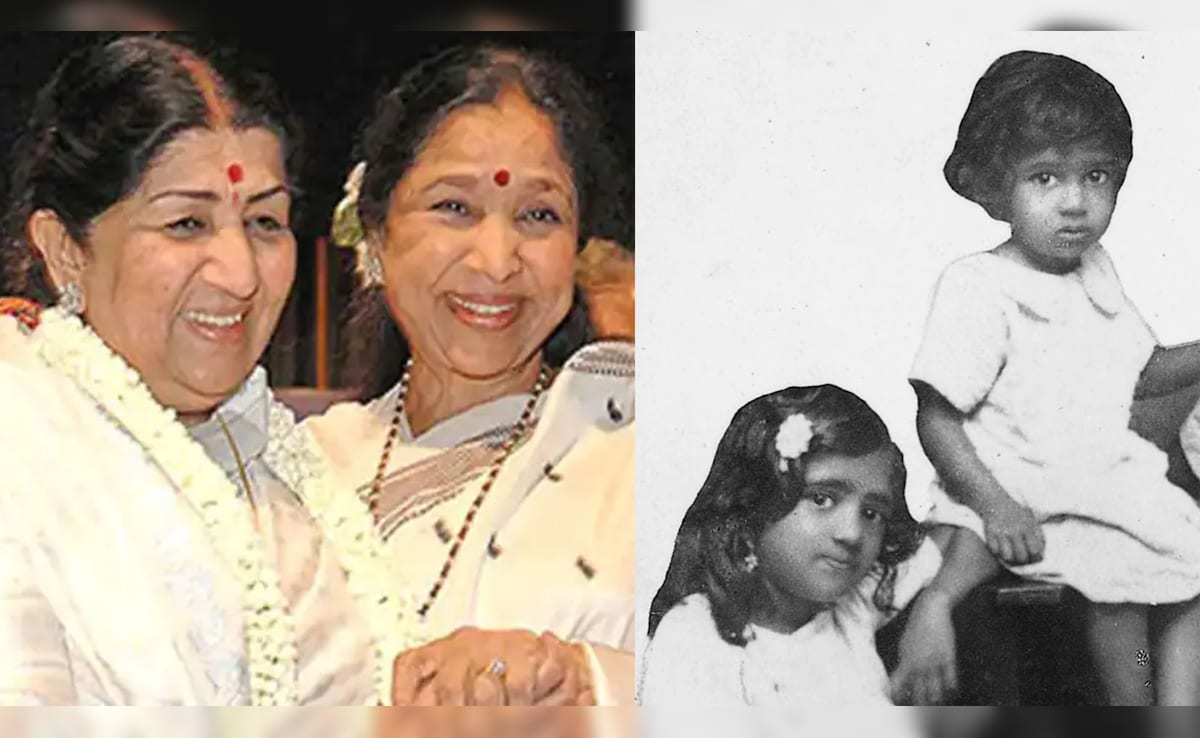
Lata Mangeshkar and Asha Bhosle are two of the most revered playback singers in India’s film history. Their contributions to music have earned them places in the Guinness Book of World Records for recording thousands of songs across multiple languages. While Lata is believed to have sung over 30,000 songs in 36 languages, Asha reportedly recorded more than 12,000 songs in 20 languages. Despite some debate over exact numbers, their prolific output is undeniable.
The sisters’ musical rivalry was matched by their personal struggles. Their relationship faced a significant challenge when Asha married at the young age of 14 against the wishes of their family, especially Lata. This led to a rift that lasted for years. Lata once openly admitted to having hit Asha upon learning about her marriage plans, a moment that underscored the intense emotions involved. During this estrangement, Asha moved away from her family and faced hardships including financial dependence and demanding work conditions under her husband’s control.
Despite these difficulties, both sisters continued their careers and eventually reconciled. In later years, they lived close to each other and supported one another’s musical journeys. Lata admired Asha’s endurance through tough times and often advised her on her professional choices. Their story reflects a deep bond that endured beyond conflicts, highlighting the complexities often present in sibling relationships.
The musical achievements of Lata Mangeshkar and Asha Bhosle are celebrated through numerous awards. Lata won three National Awards and four Filmfare Awards for Best Playback Singer, while Asha secured two National Awards and seven Filmfare Awards. Both received India’s highest honors including the Dadasaheb Phalke Award, with Lata also being a recipient of the Bharat Ratna.
Their legacy continues to inspire not only through their vast repertoire of songs but also through public remembrances such as throwback photos shared on social media that capture their childhood together. Even in recent times, Asha Bhosle’s hospitalization brought renewed attention to their life stories and the enduring affection fans hold for these musical icons.
Songs about sisters remain a cherished theme in Bollywood music, symbolizing familial bonds that resonate deeply with audiences. The lives of Lata and Asha embody this theme vividly—showcasing sisterhood’s strength amid challenges, its ability to heal over time, and its power to enrich cultural heritage through music.