




















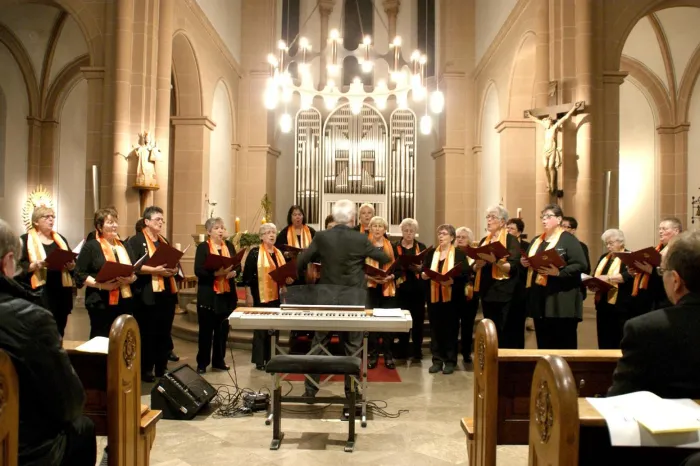
In today’s rapidly evolving church environment, worship songs play a vital role beyond mere musical accompaniment. The surge in new worship music releases, fueled by streaming platforms and social media, presents both opportunities and challenges for church leaders tasked with selecting songs that shape their congregations’ faith journeys. Unlike the past when churches relied on hymnals with carefully curated and time-tested songs, modern worship leaders now act as gatekeepers in a vast and continuous flood of new material.
One of the foremost considerations for worship leaders is the singability of songs for the entire congregation. Songs that are too complex or pitched beyond the average vocal range can discourage participation. When people struggle to sing, they often disengage, which limits the song’s potential to nurture spiritual growth. Therefore, selecting melodies and rhythms that invite everyone to join in is essential for creating a meaningful worship experience.
Familiarity also plays a significant role in worship song selection. While introducing new songs can bring excitement and freshness to services, repeated singing of familiar songs helps embed spiritual truths deeper into the hearts of congregants. Repetition fosters confidence and allows worshippers to internalize the messages conveyed through lyrics, moving worship from a passive experience to an active form of discipleship.
Beyond musicality and familiarity, theological soundness is a critical factor in choosing worship songs. Every lyric teaches something about faith and belief. Leaders must carefully evaluate whether songs align with biblical truths to ensure that what is sung reinforces correct doctrine. Tools like The Berean Test and resources such as The Song Cycle by Jon Nicol support this discerning process, reminding leaders that their choices influence what their people believe and carry beyond the church walls.
Each church has its unique culture, voice, and musical capabilities. Worship leaders are encouraged not to mimic other congregations but to curate song selections that best serve their specific community’s discipleship needs. This requires intentionality and restraint amid an overwhelming abundance of new music options. Healthy worship ministries prioritize thoughtful song curation over constant novelty, building a repertoire that reflects both theology and the congregation’s identity.
An emerging factor in worship music is the introduction of artificial intelligence (AI) in creating songs, lyrics, and arrangements. While AI can aid creativity and organization, it cannot replace the pastoral responsibility of guiding a congregation’s spiritual growth through worship choices. Ultimately, theology and discipleship must guide song selection rather than technology or trends.
In summary, worship songs about the church are far more than background music; they are foundational tools that shape belief, encourage participation, and disciple congregations week by week. Worship leaders hold a sacred responsibility to select songs that foster unity, deepen faith, and reflect sound doctrine within their unique church contexts.