



















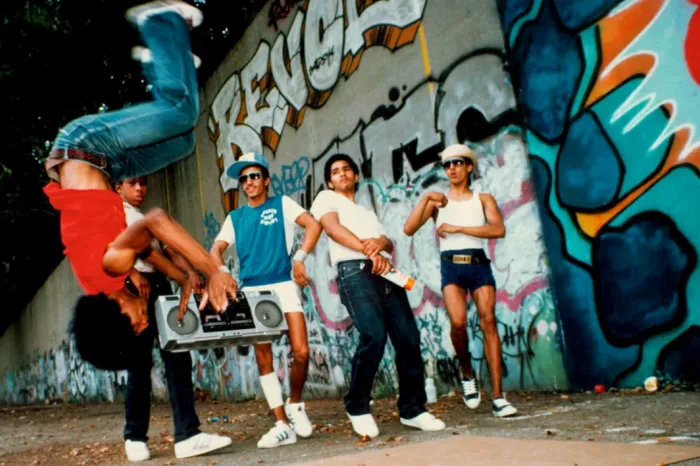
Hip hop has long been a powerful force in music and culture, originating from Black communities and evolving into a global phenomenon. Today, many ask the question: is hip hop simply a music genre, or is it a broader cultural movement? This debate touches on how hip hop influences fashion, language, social attitudes, and popular culture at large.
Vince Staples, a prominent rapper, once described hip hop as the new rock and roll. He argued that traditional rock stars like Axl Rose and Gene Simmons have faded from cultural dominance, while rappers such as A$AP Rocky, Travis Scott, Kanye West, and Tyler, the Creator have taken their place. According to Staples, hip hop is not just music; it embodies American popular culture itself. He pointed out that modern pop music often incorporates hip hop elements in structure and style, making hip hop inseparable from mainstream culture today.
However, hip hop’s rise has also raised complex questions about cultural ownership and appropriation. While the genre started within urban Black communities, it has grown to include artists from diverse backgrounds. White artists like Eminem and the Beastie Boys have achieved significant success in hip hop, but their presence also sparks discussions about respect and authenticity. Music journalist Touré explains that the Beastie Boys were among the first white acts to gain mainstream acceptance by genuinely engaging with hip hop culture. In contrast, others like Vanilla Ice were viewed as less authentic due to their failure to embrace the genre’s roots fully.
Artists such as Bubba Sparxxx acknowledge the fine line between appreciating hip hop and appropriating it. He noted that being white opens some doors in the music industry but closes others tied to the deeper cultural experience of hip hop. Similarly, G-Eazy has spoken about his awareness of privilege as a white artist and emphasizes honoring the Black community through collaborations and respectful representation.
The influence of hip hop extends beyond music into fashion, language, attitudes, and social movements. Its impact on youth culture worldwide is undeniable. From slang terms to clothing styles and even internet memes, hip hop shapes how people express identity and connect with each other. This widespread influence supports the argument that hip hop functions as a culture rather than just a musical style.
Despite its global reach and popularity, recognizing hip hop as a culture means acknowledging its origins and ongoing ties to Black communities. It also involves understanding how commercialization and cultural exchange affect its evolution. The debate over what defines hip hop culture continues as new generations reinterpret its elements while respecting its history.
In conclusion, hip hop today stands as a dominant cultural force influencing music, fashion, language, and social attitudes worldwide. While it remains rooted in Black urban experiences, its growth into mainstream culture highlights its role as a broader cultural movement. The question “Is hip hop a culture?” can be answered affirmatively when considering its deep impact on society beyond just sound—hip hop shapes identity, community, and popular culture in profound ways.