





















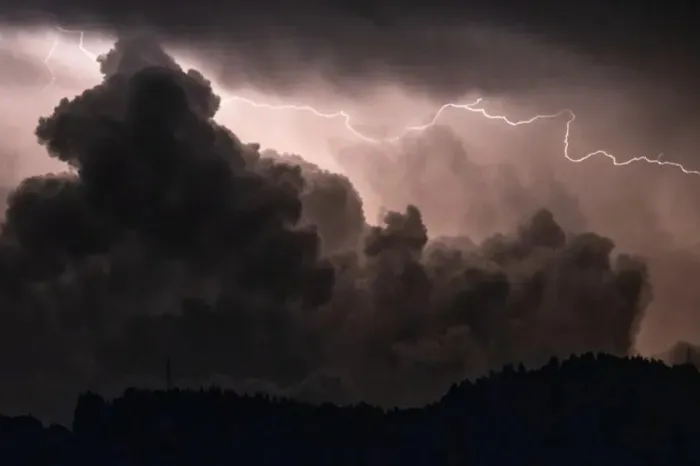
Weather has played a powerful role in shaping music throughout history, often inspiring some of the most memorable and emotionally charged songs ever created. From natural disasters to seasonal changes, the weather has influenced musicians’ creativity and even altered entire musical landscapes.
One of the most significant examples is the Great Mississippi Flood of 1927. This devastating flood submerged vast areas of the Mississippi Valley, displacing tens of thousands of people and reshaping American society. The flood inspired numerous blues songs that expressed the pain and uncertainty caused by the disaster. These songs later influenced rock music, as seen when Led Zeppelin adapted one of the blues laments into a classic rock track. The flood also accelerated the Great Migration, spreading jazz and blues beyond the South and changing the face of American music forever.

Classical music has also been deeply affected by weather. Ludwig van Beethoven’s Symphony No. 6, known as the Pastoral Symphony, includes a famous thunderstorm movement that vividly captures the power and drama of a storm through orchestral sounds. This work is considered an early example of program music, where composers use sound to tell a story or paint a scene. Similarly, Antonio Vivaldi’s “Four Seasons” concertos musically depict different weather patterns associated with each season, using instruments to mimic storms, rain, and sunny days. These compositions allowed listeners to experience weather through music long before visual media existed.
The 1930s Dust Bowl, a period marked by severe drought and dust storms in North America, gave rise to folk legend Woody Guthrie. His “Dust Bowl Ballads” reflect the harsh realities faced by displaced families and highlight how weather-related hardship became central to American folk music’s identity. This era’s struggles were also echoed in blues and country songs from the South, emphasizing resilience amid adversity.
Weather has even directly impacted popular music history through tragic events. The fatal plane crash on February 3, 1959, known as “The Day the Music Died,” was caused by a winter storm that forced rock musicians Buddy Holly, Ritchie Valens, and The Big Bopper to take a risky flight. This event profoundly affected rock and roll’s trajectory.
In more recent times, Hurricane Katrina in 2005 devastated New Orleans but also sparked a musical revival. Displaced musicians expressed their pain and hope through jazz, brass band music, and hip-hop. They drew on historical songs about past disasters like the 1927 flood to connect their experiences with those of earlier generations.
Scientific studies have confirmed that weather influences not only music creation but also what listeners prefer. Research analyzing decades of UK music charts found that upbeat songs tend to become more popular on warm, sunny days while rainy weather reduces their appeal. Moreover, analysis of thousands of karaoke songs revealed that periods with severe storms produced more weather-themed lyrics mentioning rain, wind, or hurricanes.
Researchers at Oxford and Reading Universities have studied how classical composers are inspired by their local climates. British composers often depict their country’s stormy weather in music more than others. This research shows that weather conditions can affect both what composers write about and when they are able to compose.
Today’s musicians continue this tradition by addressing climate change through their art. Artists like Billie Eilish and Thom Yorke use their music to raise awareness about environmental crises. Some even transform satellite climate data into soundscapes that let listeners feel planetary changes.
From ancient compositions to modern protest songs, weather remains one of the most profound forces shaping music history. It influences not only what artists create but how audiences connect emotionally with their work. Next time you hear a song about rain or storms, consider how much the sky above might have inspired its creation.