




















Hip hop is much more than a genre of music; it stands as a rich cultural movement that has profoundly influenced personal expression and lifestyle over the past several decades. Emerging in the 1970s from the streets of New York City, hip hop has grown into a global phenomenon that shapes fashion, dance, language, and social perspectives around the world. The question often posed—”Is hip hop a culture?”—can be answered by examining its diverse elements and deep-rooted significance as a community and identity.
The Core Elements Defining Hip Hop
Hip hop culture is built upon four foundational pillars: rapping (MCing), DJing, graffiti art, and breakdancing. Each of these components offers individuals unique ways to share their stories and reflect their lived experiences. Beyond artistic expression, hip hop embodies a lifestyle marked by resilience, creativity, and social awareness. It provides marginalized groups with a powerful platform to highlight issues such as inequality and injustice.
Fashion and Language: Hallmarks of Hip Hop Lifestyle
The fashion associated with hip hop—characterized by oversized clothing, distinctive sneakers, and bold accessories—originated within this culture and continues to influence mainstream style. Moreover, hip hop’s influence extends to language, introducing slang and expressions that have permeated everyday communication globally. This shared cultural language fosters a strong sense of belonging among fans who find inspiration and empowerment through hip hop.
Dance as a Vital Form of Cultural Expression
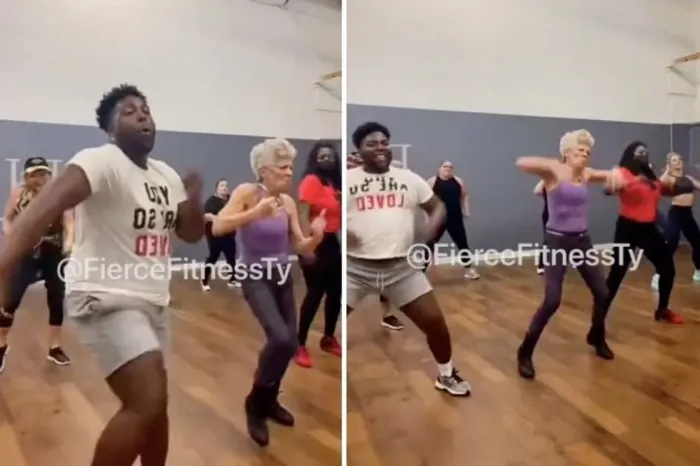
Dance plays an essential role in hip hop’s cultural fabric, with breakdancing (also known as b-boying or b-girling) blending athleticism and artistic creativity. This dance form has gained worldwide recognition as a respected art. An inspiring figure within this realm is the 77-year-old “hip-hop granny,” whose energetic performances demonstrate that hip hop transcends age barriers and continues to motivate people across generations. Her story underscores how hip hop invites participation from diverse backgrounds and ages alike.
Hip Hop’s Role in Social Change
Beyond entertainment, hip hop acts as a catalyst for social activism. Many artists leverage their visibility to address pressing societal concerns, making the culture a voice for hope and transformation. By challenging stereotypes and celebrating individual narratives, hip hop promotes diversity and inclusivity within communities.
In summary, hip hop is undeniably a vibrant culture extending far beyond music. It encompasses lifestyle choices, personal expression, and meaningful social impact. As it continues to expand globally, hip hop remains a potent cultural force shaping identities and inspiring positive change across generations.