


















The Karnataka Department of School Education has issued a directive banning the use of obscene songs and dances in cultural programmes held at government, aided, and private schools across the state. This decision aims to ensure that school events remain appropriate for children’s age groups while promoting positive values and respect for local culture.
Announced on April 28, 2026, the order comes after cultural organisations raised concerns about the negative influence of vulgar or suggestive songs on students’ behaviour and development. Officials emphasized that schools are “temples of knowledge” where children’s character and future should be nurtured through educational and value-based activities.
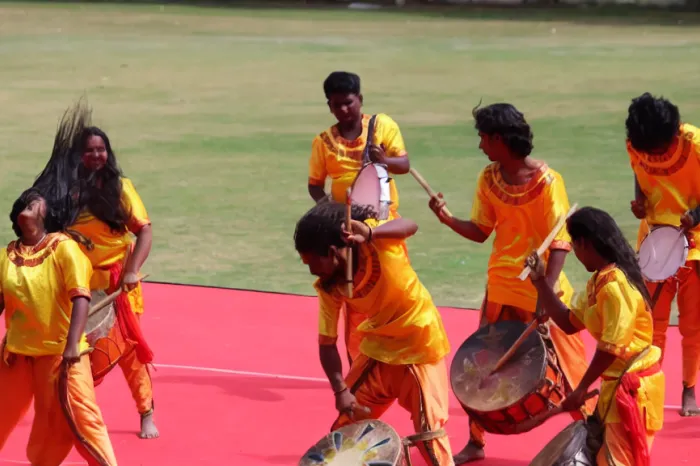
The directive instructs schools to avoid songs and dances with inappropriate content during any cultural or educational event, including annual day celebrations. Instead, it encourages selecting performances that inspire positivity, patriotism, and reflect Karnataka’s rich cultural heritage. Authorities believe that such measures will help students develop moral awareness and cultural understanding while preventing exposure to harmful material.
Headteachers, principals, and school management committees have been given responsibility to review and approve all songs, choreography, and costumes used in school programmes. The order also specifies that students must wear decent and appropriate attire during performances to maintain decorum. Schools failing to comply with these guidelines may face disciplinary actions from education authorities.
This move is part of a broader effort by the Karnataka government to preserve cultural norms and maintain respectful environments at public events. Recent months saw discussions about restricting “item songs” and loud DJ music at festivals due to their vulgar lyrics and social impact. The new school guidelines reflect similar concerns about safeguarding students’ mental well-being and ethical development.
While the government continues to support cultural activities as important for building creativity and confidence among students, it stresses that these programmes must align with educational values. Officials highlighted that meaningful cultural events can showcase Karnataka’s artistic traditions while fostering community values.
Educators and parents have welcomed the directive as a way to protect children from inappropriate influences while encouraging them to appreciate their heritage through positive artistic expression. The guidelines aim to strike a balance between preserving artistic freedom and ensuring content remains suitable for young audiences.
Overall, Karnataka’s new rules on school cultural programmes underline the state’s commitment to creating a safe, respectful learning environment. By promoting songs about positivity and cultural pride, schools are expected to play a key role in shaping well-rounded individuals who respect their roots and uphold strong moral principles.