
















Protest songs have long been a powerful tool for expressing dissent and calling for social justice. Even decades after their release, many songs from the 1960s remain relevant and continue to resonate with audiences worldwide. These songs capture moments of historical struggle while addressing issues that persist in modern society.
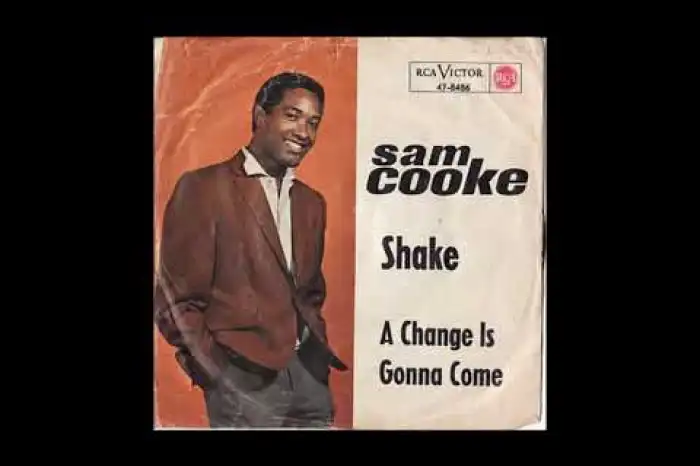
One of the most iconic protest songs is Sam Cooke’s “A Change Is Gonna Come,” released in 1964. Inspired by Cooke’s personal experience of being denied service at a Whites Only motel in Louisiana, the song became an anthem for the Civil Rights Movement. Its soulful lyrics convey both hope and hardship, reflecting the ongoing fight against racial injustice. Although it was not a major commercial hit at the time, its message has endured, symbolizing the aspiration for equality and change.
Another significant track is “For What It’s Worth” by Buffalo Springfield, which came out in 1966. This song captures the tension and division of the 1960s political landscape, highlighting generational conflicts and resistance to authority. The line “There’s battle lines being drawn / Nobody’s right if everybody’s wrong” continues to resonate today, as political polarization remains a prominent issue. The song reached number seven on the Billboard Hot 100 chart and remains a staple in discussions about protest music.
Creedence Clearwater Revival’s “Fortunate Son,” released in 1969, offers a sharp critique of social inequality during the Vietnam War era. Written by John Fogerty, it condemns how wealthy and influential individuals avoided military drafts while ordinary citizens were sent to fight. The song’s raw energy and pointed lyrics make it one of CCR’s most enduring hits. It highlights ongoing concerns about privilege and fairness in times of conflict.
These songs not only reflect the social upheaval of their time but also serve as reminders that many struggles persist today. They continue to inspire new generations of activists who use music as a platform for change. The enduring popularity of these protest anthems underscores music’s unique power to unite people around common causes and challenge injustice.
In an era when social movements continue to evolve, these classic protest songs remain relevant voices in the conversation about equality, justice, and human rights. Their messages transcend time, reminding listeners that the fight for a better world is ongoing and that music can be a catalyst for awareness and action.