










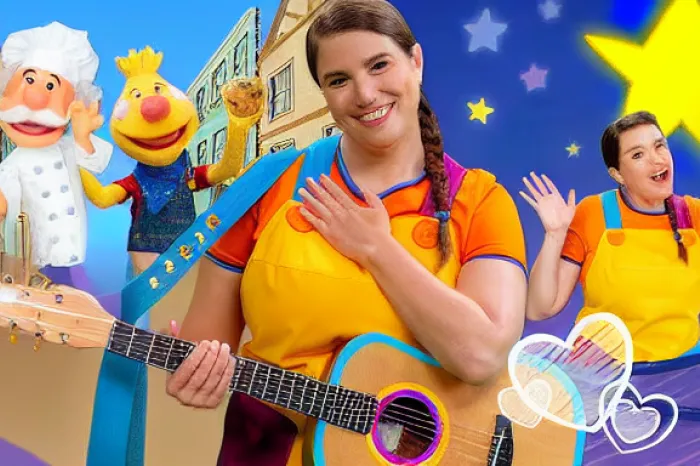
Educational songs have long been a valuable tool in teaching children fundamental concepts. Recently, innovative approaches have taken this tradition further, combining entertainment with effective learning strategies to engage young minds. Popular children’s series like CoComelon have mastered this art by creating catchy songs that teach counting and basic math skills, while educators are now turning to technology and classic tunes to enhance learning experiences.
CoComelon has become a leading name in early childhood education through music. Their videos use playful characters and colorful animations to introduce numbers and counting concepts to toddlers. For example, their “Numbers Song with Little Chicks” features baby chicks hatching and playing while counting from one to ten, making it easier for children to visualize and remember numbers. Other videos, such as “Numbers Song 1-100,” help kids recognize numbers up to one hundred through engaging visuals of tadpoles hatching in a pond. These songs blend rhythm, rhyme, and repetition, helping children build foundational math skills in an enjoyable way.
Beyond simple counting, CoComelon incorporates familiar nursery rhymes with educational twists. The “Five Little Ducks” video tells a story of ducklings wandering off and returning home, reinforcing counting backwards and forward. Similarly, “Ten Little Piggies” and “Dinosaur T-Rex Number Song” combine animal themes with number sequences, maintaining children’s attention while teaching important concepts. These videos are not only entertaining but also support cognitive development by encouraging memory retention and number recognition.
In addition to animated songs, teachers are harnessing new technologies like artificial intelligence to create educational music tailored to specific subjects. Jon-Perry Mize, an eighth-grade social studies teacher at Highland Middle School in Arkansas, uses AI music generators to compose songs about Arkansas history. He writes the lyrics aligned with his curriculum and uses AI tools to produce the musical background. This innovative method helps students engage with the material in a fresh way, making history lessons more memorable.
Students respond positively to this musical approach. Eighth-grader Ella Drumheller noted that these AI-created songs resonate well with her generation’s love of music. The songs are often played on Chromebooks or sung aloud in hallways, reinforcing learning outside the classroom. This method not only aids retention during tests but also inspires some students like Ella to write their own educational poems and songs, fostering creativity alongside academic growth.
The power of music in education is further demonstrated by first-grade teacher Matt Hart’s use of classic songs played on guitar to motivate his young students. By integrating familiar melodies with lesson content, Hart creates a warm classroom environment that encourages participation and makes learning enjoyable. His approach has gained attention online as an effective way to connect with children through music.
Together, these examples illustrate how songs about teaching can be powerful educational tools across age groups and subjects. Whether through animated videos designed for toddlers or AI-generated tunes for middle school students, music helps make learning accessible and fun. As educators continue exploring creative ways to integrate music into curricula, these methods promise to support children’s development and inspire lifelong learning habits.