















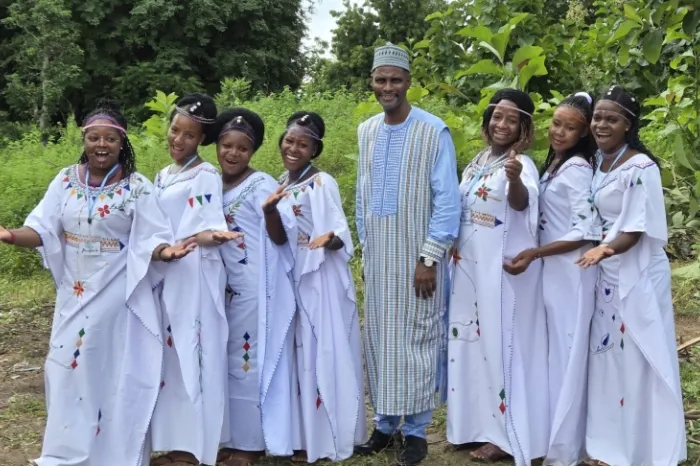
In a small village named Bethlehem in Northwestern Benin, the Africa Sings Festival recently celebrated its 10th anniversary, marking a decade of fostering peace and unity through music and cultural exchange. Held from August 15 to 17, 2025, the festival brought together twenty different ethnic groups in a region historically affected by religious and social tensions. This annual event aims to build bridges between communities, particularly between herders and farmers, who have often faced conflicts fueled by economic pressures and religious differences.
The festival is organized by Africa Sings, a Christian NGO based in Benin, led by Dr. Daniel Dama. Dr. Dama explained that the festival’s core mission is to promote social cohesion, peace, and non-violence among communities through intercultural dialogue and celebration of traditional arts. The event takes place in the Donga region, home to farming groups such as the Yoa, Lokpa, Otamari, and Somba, alongside nomadic Fulbe herders. These groups have experienced historical tensions that sometimes escalate into violent confrontations.
Africa Sings integrates biblical principles of peace and reconciliation into its activities, using music and art as tools to bring people of diverse faiths—Christianity and Islam in particular—closer together. Dr. Dama emphasized that African Christians are increasingly embracing indigenous musical instruments like fiddles and bamboo flutes, along with traditional dances, as part of their worship. This approach reflects the practice of ethnodoxology, which encourages the use of local culture in Christian worship to make faith more meaningful and accessible.
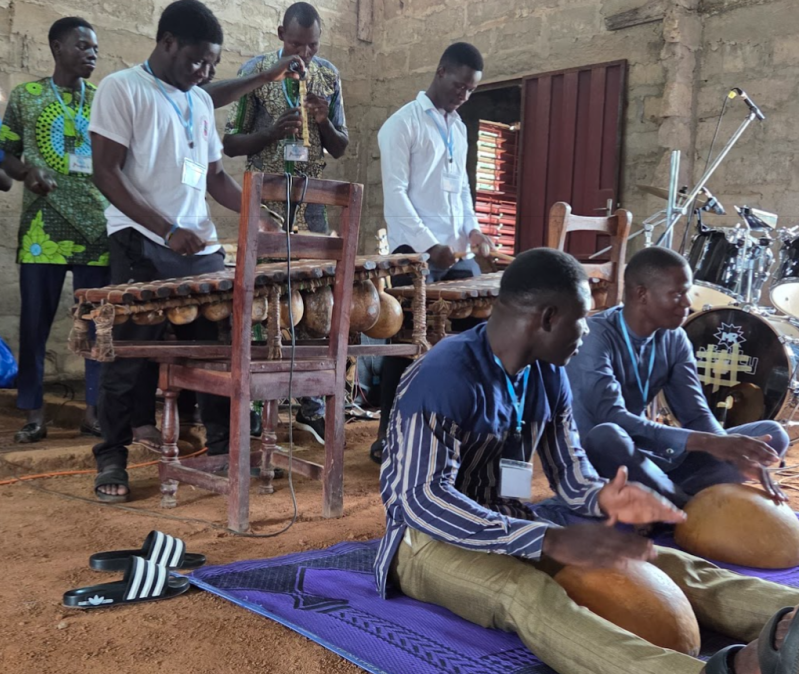
The three-day festival featured a variety of events designed to engage different audiences. The first day focused on intellectual and spiritual exchanges among church leaders, missionaries, artists, and choir directors. Presentations addressed sensitive topics related to community relations and faith. The second day showcased an exhibition of arts and culture aimed at a broad audience including Muslims and people from various ethnic backgrounds. Performances included traditional dances, music, clothing displays, and culinary presentations that highlighted shared cultural heritage.
The final day was dedicated to Sunday worship and a music competition centered on Christian themes. While primarily for Christians, the event welcomed participants from all backgrounds to encourage spiritual reflection and unity. This day also served as a platform for nurturing young Christian artists who blend local artistic traditions with gospel music.
The festival’s impact was deeply felt by attendees. A local king shared how hearing familiar musical styles performed in a church setting gave him the courage to enter a church for the first time in his life. A Muslim participant expressed gratitude for being invited to a Christian-organized event on church grounds, describing how the warm welcome changed his perceptions about Christians. Even leaders from predominantly Muslim ethnic groups acknowledged the importance of Africa Sings in promoting peace across faiths.
Dr. Dama highlighted that ethnodoxology plays a vital role in helping African Christians reclaim their cultural heritage while deepening their faith experience. By incorporating traditional music, dance, storytelling, and other art forms into worship, the festival fosters greater understanding of the Bible within local cultural contexts. As conflicts continue to challenge West African communities, events like Africa Sings offer hope by demonstrating how worship songs about peace can unite people beyond ethnic or religious divides.