



















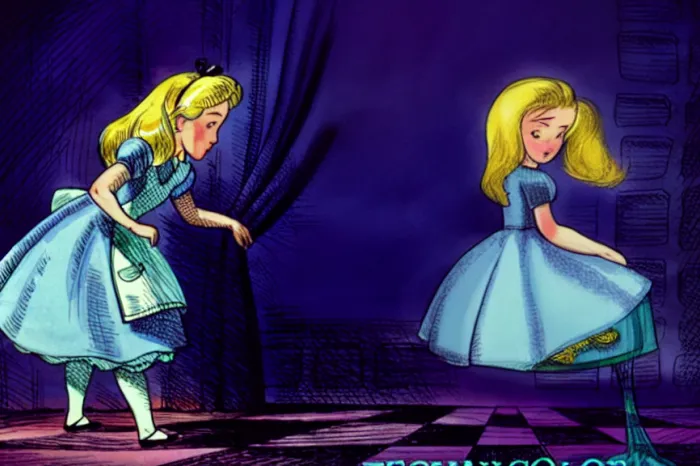
Songs inspired by Lewis Carroll’s “Alice in Wonderland” have left a lasting mark on rock music and popular culture. Among the most notable is Jefferson Airplane’s “White Rabbit,” a psychedelic rock classic that uses imagery from Carroll’s tales to explore themes of curiosity and transformation. Grace Slick, the lead vocalist, delivers a powerful performance that has become emblematic of the 1960s counterculture movement.
Grace Slick’s vocal range and unique style helped “White Rabbit” stand out as a song that broke conventional norms. Released during a time when drug references were rarely included in mainstream music, the song subtly references substances through the metaphor of Alice’s adventures with pills and fantastical creatures. However, Slick emphasized that the song’s deeper message was about following curiosity and opening one’s mind rather than drug use alone.
The influence of “White Rabbit” extends beyond its initial release, maintaining relevance through its hypnotic melody and evocative lyrics. It reached number eight on the Billboard charts, a remarkable achievement for such an unconventional track. The song’s cultural significance is further highlighted by its connection to the psychedelic movement and its role as an anthem for exploration and change.
Other songs from the same era also drew on literary or surreal inspirations to define rock music’s evolution. For example, The Beatles’ “A Day in the Life” from their album “Sgt. Pepper’s Lonely Hearts Club Band” combines vivid storytelling with innovative musical arrangements to capture the spirit of the late 1960s. Similarly, The Velvet Underground’s “Venus in Furs,” inspired by a novella, broke taboos with its avant-garde sound and dark themes, influencing underground rock genres.
The year 1967 stands out as a pivotal moment in rock history when artists pushed boundaries both musically and thematically. Psychedelic and progressive rock flourished alongside socially conscious soul music, shaping future generations of musicians. Songs like Aretha Franklin’s “Respect” also emerged as powerful anthems advocating for equality and empowerment during turbulent social times.
Grace Slick’s association with “White Rabbit” highlights how literature, music, and social movements intertwined to create works that continue to resonate decades later. Her haunting vocals and the song’s symbolic use of Alice in Wonderland imagery invite listeners to explore new perspectives and challenge established norms. This enduring legacy underscores how songs inspired by Carroll’s stories have become milestones in rock music history.