




















Afrika Bambaataa, a key figure in the birth and growth of hip-hop culture, passed away at the age of 68. Born Lance Taylor in the Bronx to Caribbean parents from Jamaica and Barbados, Bambaataa played a major role in shaping hip-hop’s early identity during the 1970s. His work as a DJ, producer, and cultural organizer helped transform local block parties into a global movement that continues to influence music and culture worldwide.
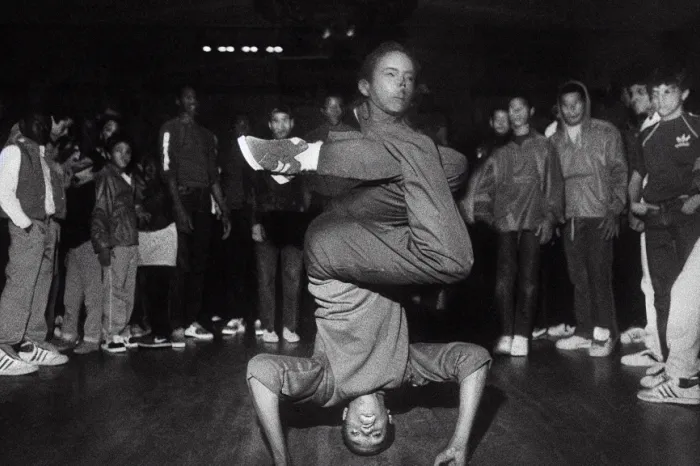
Bambaataa is widely recognized as one of the founding fathers of hip-hop alongside other Bronx legends such as DJ Kool Herc and Grandmaster Flash. He was known for his innovative DJ techniques, including extending breakbeats to give dancers more time to perform their moves. His ability to blend diverse musical styles—from funk and salsa to electronic music inspired by European bands like Kraftwerk—helped create new sounds that pushed hip-hop beyond its roots.
One of his most famous contributions was the 1982 track “Planet Rock,” which fused rap with electronic music, setting a blueprint for electro-funk and modern dance genres. This single marked a turning point in hip-hop’s development and expanded its reach globally. Beyond music, Bambaataa founded the Universal Zulu Nation, an organization dedicated to promoting peace, unity, cultural pride, and social awareness through hip-hop. The group aimed to steer youth away from violence and gang activity by encouraging creativity and community engagement.
Bambaataa’s Caribbean heritage deeply influenced his approach to hip-hop. Early pioneers from Caribbean backgrounds brought storytelling traditions, rhythmic complexity, and community values that helped define the culture’s foundation. Through his leadership and vision, Bambaataa helped establish hip-hop as more than just music—it became a cultural movement rooted in social transformation.
However, his legacy is complicated by serious allegations of sexual abuse that surfaced publicly starting in 2016. Multiple individuals accused him of abuse during their youth, leading to legal actions and his eventual resignation from the Universal Zulu Nation. Despite these controversies, many within the hip-hop community continue to acknowledge his foundational role in the culture’s early days.
Following his death, tributes have highlighted both his pioneering contributions and the difficult conversations about accountability within hip-hop. Leaders emphasize the importance of preserving the culture’s positive values—peace, unity, love, and fun—while recognizing the need for truth and responsibility.
Afrika Bambaataa’s impact on hip-hop is undeniable. As a visionary who drew from diverse musical influences and cultural experiences, he helped build one of the world’s most powerful cultural movements. His story reflects both the creative spirit that shaped hip-hop’s origins and the complex challenges faced by its pioneers.