




















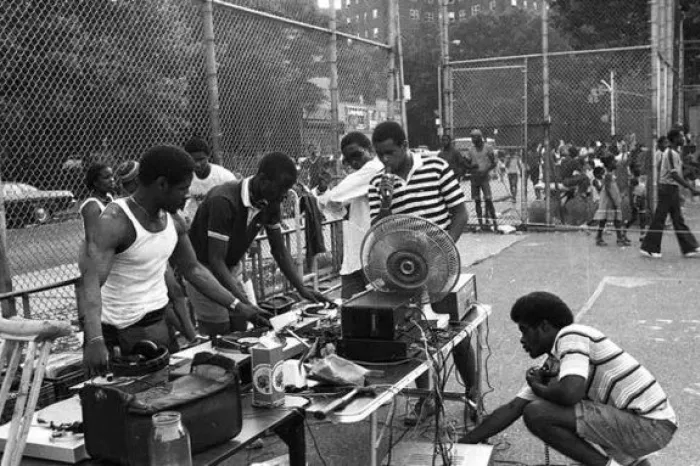
Hip hop culture stands as one of the most influential global movements, shaping music, fashion, art, and lifestyle across generations. Its beginnings trace back to the Bronx, New York City, in the early 1970s. Born from the struggles and creativity of marginalized African American and Latino communities, hip hop emerged as a powerful form of expression that fused sound, dance, visual art, and style into a vibrant cultural identity.
The social and economic hardships faced by youth in the Bronx laid the groundwork for hip hop’s rise. Pioneering DJs like Kool Herc introduced innovative breakbeat techniques that transformed the music scene and became the backbone of hip hop sound. Alongside this musical revolution, breakdancing developed as a dynamic street dance form, while graffiti art evolved into an emblematic visual statement that proclaimed individuality and community pride.
Hip hop’s distinctive style grew alongside its music and culture. Early fashion choices were both functional and bold—baggy pants, oversized shirts, sneakers, and baseball caps became signature elements. These trends not only reflected urban realities but also a desire for self-expression. As time passed, influences from other subcultures, particularly skateboarding, merged with hip hop aesthetics. Skate culture’s focus on comfort and personal style meshed seamlessly with hip hop’s vibe, resulting in crossover looks that remain popular today.
The relationship between skateboarding and hip hop highlights how cultural currents interact and evolve. The casual yet edgy fashion embraced by skateboarders found resonance within hip hop communities. This fusion extended beyond style into collaborations between skate brands and hip hop designers, producing apparel that appeals to fans of both worlds. Such blending demonstrates hip hop’s flexibility and its profound effect on youth culture globally.
Today, hip hop transcends its roots as a music genre to become a dominant cultural force influencing language, fashion trends, and social attitudes worldwide. Remembering its origin in the Bronx underscores its role as a creative outlet born from resistance and community solidarity. Understanding where hip hop started enriches our appreciation of how it continues to inspire identity and artistic innovation across continents.
As hip hop expands internationally, its foundational elements remain central to its identity. From New York’s streets to urban centers worldwide, this culture continues to spark new styles while honoring its legacy as a symbol of expression and resilience.