
















Music has long played a vital role in honoring the U.S. military, especially the Marine Corps. Among the many songs associated with the armed forces, “The Marines’ Hymn” stands out as one of the oldest and most iconic anthems. Its origins are partly mysterious, with the melody borrowed from a 19th-century French opera and lyrics that reference key battles such as the storming of Chapultepec during the Mexican-American War. The hymn has been a source of pride and motivation for Marines through generations, famously sung during World War I charges and officially recognized by the Marine Corps in 1929.
The tradition of standing at attention and singing “The Marines’ Hymn” continues to be a powerful symbol of esprit de corps. It is more than a song; it embodies honor, courage, and commitment deeply rooted in Marine culture. This anthem’s stirring verses have helped define the identity of the Corps, setting a high standard among military service songs.
Other branches also have their distinctive anthems, such as “Anchors Aweigh” for the Navy, “The Army Goes Rolling Along,” “Semper Paratus” for the Coast Guard, and “The U.S. Air Force” song known as “Wild Blue Yonder.” While these songs reflect their branches’ histories and missions, none match the widespread recognition or emotional resonance of the Marines’ Hymn.
Beyond official anthems, contemporary tributes continue to honor Marines through music. Country artist Riley Green recently invited a Marine onstage during a concert to perform Jamey Johnson’s poignant song “In Color,” which tells stories of wartime experiences. This moment showcased deep respect for those who serve and highlighted how music remains a powerful medium to connect civilians with military life.
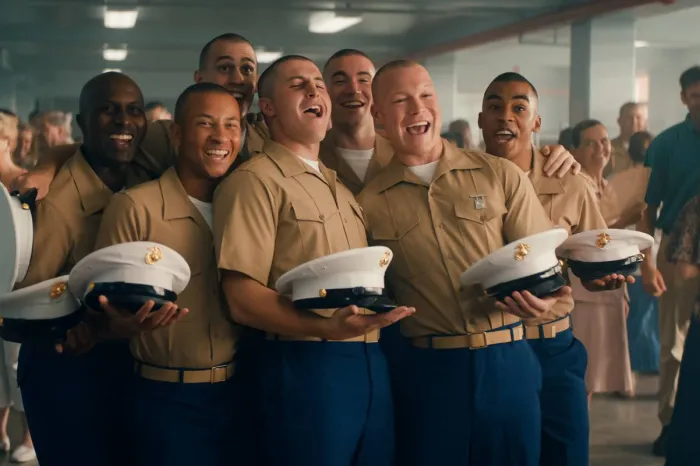
In popular culture, Netflix’s series “Boots” offers a unique soundtrack that features both Marine-related themes and queer anthems, reflecting diverse stories within Marine boot camp life. The show’s music ranges from classic hits to modern scores, illustrating how songs about Marines can span genres and eras.
Even outside traditional military or patriotic music circles, musicians have referenced Marines in unexpected ways. For example, members of the thrash metal band Anthrax once joked about joining the Marines if their music careers failed. Their 1984 song “Metal Thrashing Mad” inadvertently helped name an entire metal subgenre while connecting youthful rebellion with military imagery.
From historic hymns to modern performances and pop culture references, songs about Marines continue to inspire pride and honor. They serve as audible reminders of sacrifice, bravery, and tradition that bind Marines across generations and resonate with Americans everywhere.