











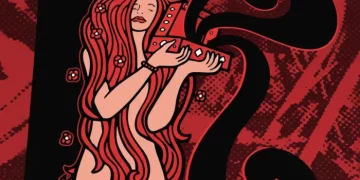






Blues music has long served as a powerful voice for African American experiences, shaping the cultural and musical landscape in profound ways. Among the many contributions, “big black songs about blues” represent a critical link to the roots of modern music, influencing countless artists across generations. This article explores the lasting impact of influential black musicians and highlights contemporary acts like The Black Keys who continue to bring blues traditions into new light.
The Black Keys, a garage rock duo from Akron, Ohio, have become one of the most prominent bands blending raw blues sounds with modern rock energy. Formed by childhood friends Dan Auerbach and Patrick Carney in 2001, their music draws heavily on traditional blues influences such as Junior Kimbrough and Mississippi Delta legends. Starting with their debut album, The Big Come Up, recorded with lo-fi techniques in a basement, they captured the gritty essence of blues that resonated deeply with younger audiences.
Over the years, The Black Keys transformed from underground garage musicians into stadium-filling headliners across North America. Albums like Brothers and El Camino propelled them into mainstream success with hits like “Tighten Up” and “Lonely Boy,” tracks that remain staples on streaming platforms and radio playlists. Their sound bridges the gap between old-school blues and contemporary rock, making the genre accessible to new generations while honoring its origins.
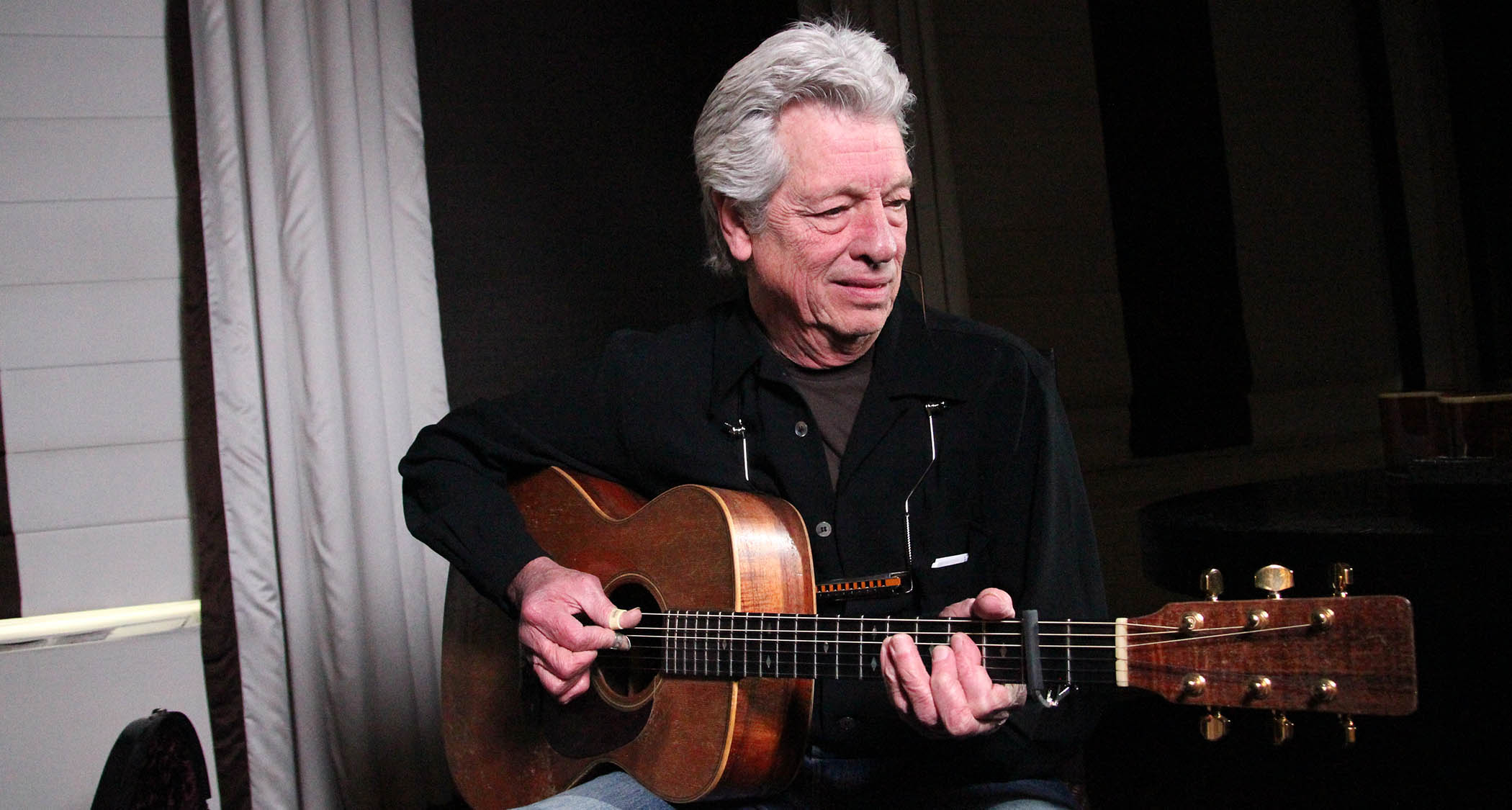
Beyond The Black Keys, the blues genre owes much to pioneering black artists who laid its foundation. John P. Hammond, who passed away recently at age 83, was a key figure in bringing traditional blues to wider audiences. Born into a privileged family but deeply committed to authentic blues expression, Hammond’s career spanned six decades. He was known for his virtuosic guitar skills and soulful performances that inspired musicians such as Bonnie Raitt and Eric Clapton.
Hammond’s dedication to preserving blues authenticity helped keep the genre alive during changing musical eras. His early albums featured covers of legends like Muddy Waters and Robert Johnson, while his live shows maintained a raw acoustic style that emphasized emotional depth over commercial polish. Colleagues often described him as “possessed by the blues,” highlighting his deep connection to the music’s spirit.
Today’s blues revival owes much to these trailblazers and their commitment to storytelling through music. Artists like The Black Keys not only draw inspiration from these roots but also expand on them by incorporating elements of garage rock, psych-rock, and soul. Their continued popularity reflects a broader cultural appreciation for blues as a vital art form that transcends time and demographics.
In addition to musical innovation, both historic and modern blues musicians have contributed to cultural awareness and social change. Through their lyrics and performances, they have conveyed messages about struggle, resilience, and identity that resonate far beyond the stage. This enduring relevance ensures that big black songs about blues remain essential listening for anyone interested in the evolution of American music.
As streaming platforms introduce these sounds to global audiences and younger listeners discover vinyl records or attend live shows, the legacy of influential black blues artists continues to thrive. From intimate coffeehouse performances by John P. Hammond to arena tours by The Black Keys, the spirit of the blues endures as a symbol of artistic authenticity and emotional power.
Looking ahead, efforts by musicians like Dan Auerbach to mentor emerging artists through labels such as Easy Eye Sound promise to nurture future generations dedicated to preserving and evolving this rich musical heritage. The fusion of past influences with fresh creativity ensures that big black songs about blues will remain vibrant for years to come.