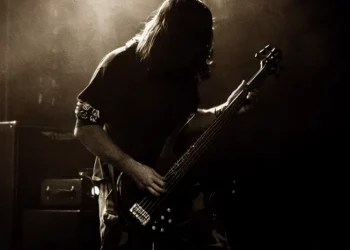


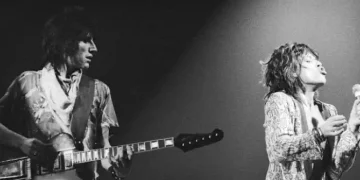


















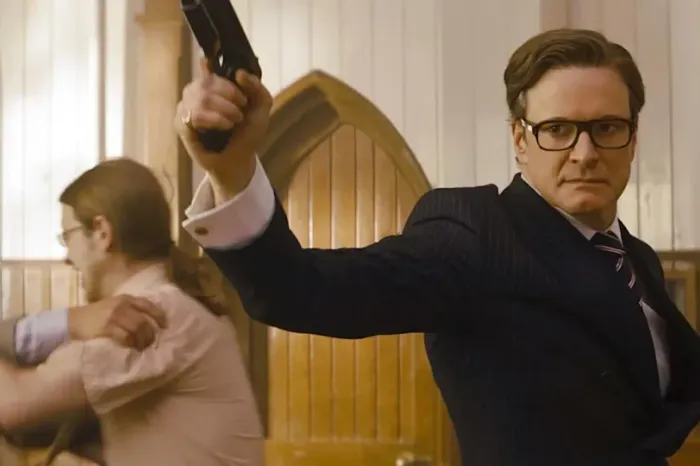
Classic rock music has long been associated with themes of freedom, rebellion, and self-expression. Among these timeless anthems, Lynyrd Skynyrd’s “Free Bird” stands out as a defining song about freedom, celebrated not only for its musical brilliance but also for its powerful presence in film. Recently named the greatest American rock song, “Free Bird” has become a staple in iconic movie scenes, underscoring moments of intensity and liberation.
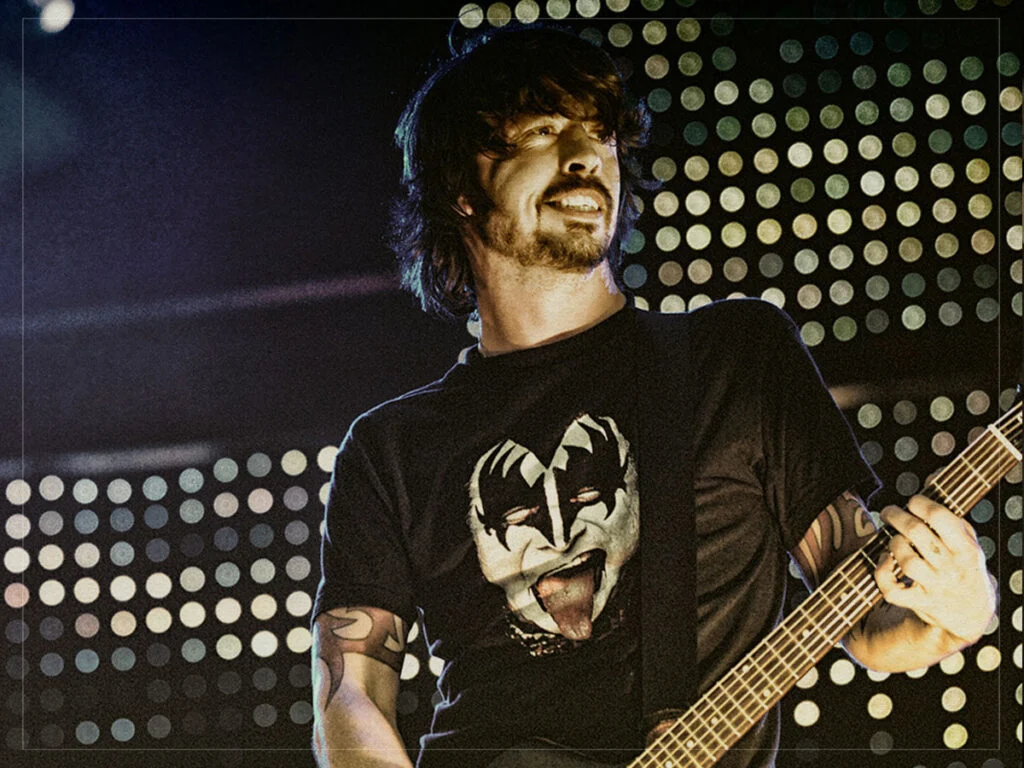
One notable example is the 2014 action thriller “Kingsman: The Secret Service,” where “Free Bird” plays during a highly choreographed and brutal church fight scene. The song’s gradual build-up and explosive guitar solo provide a dramatic soundtrack that heightens the tension and energy of the sequence. This use of classic rock to amplify cinematic moments highlights how songs about freedom transcend their original context to enhance storytelling on screen.
Beyond “Free Bird,” other classic rock tracks have similarly left their mark on film and popular culture. Quentin Tarantino’s “Reservoir Dogs” famously features Stealers Wheel’s “Stuck in the Middle With You,” a seemingly upbeat tune juxtaposed against a dark scene of violence. Such contrasts emphasize how classic rock songs often symbolize complex ideas of freedom, chaos, and control.
In addition to their cinematic impact, classic rock songs continue to influence musicians across generations. Dave Grohl, frontman of Foo Fighters and former drummer for Nirvana, has spoken about the profound effect certain instrumental rock pieces had on his musical development. He singled out Edgar Winter’s 1973 instrumental “Frankenstein” as “the coolest thing” he had ever heard as a teenager. The track’s intense riffs and dynamic shifts represent a form of musical freedom that transcends lyrics, allowing pure sound to convey emotion and personality.
Grohl’s appreciation for such instrumental masterpieces reflects a broader respect among musicians for the freedom classic rock offers in pushing creative boundaries. While vocals often carry messages, instrumental tracks like “Frankenstein” demonstrate how music alone can tell stories and evoke feelings without words.
The legacy of songs about freedom in classic rock is further cemented by their enduring popularity in both music and film. From the emotional storytelling in “Free Bird” to the technical mastery of “Frankenstein,” these tracks continue to inspire audiences and artists alike. Their presence in movies not only serves as a soundtrack but also as a symbol of defiance, individuality, and liberation that resonates across decades.
As classic rock remains a vital cultural force, its anthems about freedom remind listeners of the power music holds to express universal human experiences. Whether through soaring guitar solos or unforgettable melodies, these songs celebrate the spirit of freedom that defines much of rock’s enduring appeal.