





















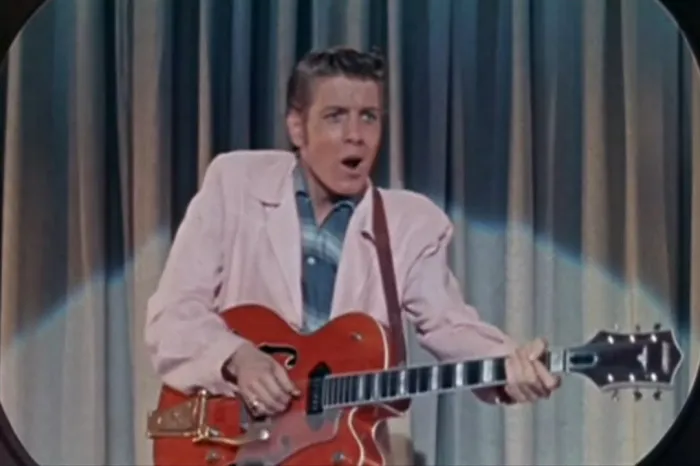
Songs about flight have long captured the imagination of musicians and audiences alike, symbolizing movement, freedom, and aspiration. Among these, “Twenty Flight Rock,” originally performed by Eddie Cochran in the mid-1950s, stands out as a timeless rock ’n’ roll anthem that continues to resonate across generations. The song’s simple yet infectious rhythm, combined with its playful lyrics about climbing stairs when the elevator is broken, creates a metaphor for youthful determination and energy.
Eddie Cochran’s “Twenty Flight Rock” was more than just a catchy tune; it became an emblem of early rock music’s spirit. The song tells the story of a young man eager to reach his love but hindered by a broken lift, compelling him to climb twenty flights of stairs. This ordinary obstacle is transformed into a celebration of effort and optimism, embodying the physical and emotional drive that defines much of rock ’n’ roll. Cochran’s delivery balanced urgency with cool confidence, making the song both relatable and exciting.
The cultural impact of “Twenty Flight Rock” was amplified by its inclusion in the influential 1956 film “The Girl Can’t Help It,” which helped popularize rock music during its formative years. Despite the film’s satirical tone toward rock ’n’ roll, audiences embraced the genre with enthusiasm. Cochran’s performance in the movie remains iconic, inspiring countless musicians who followed. The song’s energetic beat and relatable theme made it a staple on jukeboxes and radio stations, embedding it deeply into the fabric of American music culture.
Decades later, “Twenty Flight Rock” found new life through performances by The Rolling Stones. During their 1981 American tour, the band incorporated the song into their live shows, capturing its raw energy and straightforward joy. Unlike heavily produced studio tracks, their rendition emphasized speed and momentum, reflecting the band’s roots in classic rock ’n’ roll. Keith Richards and Mick Jagger delivered a version that honored Cochran’s original while showcasing their own dynamic stage presence. This revival helped introduce the song to younger audiences and demonstrated how rock history is cyclical, with iconic songs resurfacing in fresh contexts.
The enduring appeal of “Twenty Flight Rock” lies in its portrayal of effort as an essential part of the journey—not just reaching a destination but embracing the climb itself. This theme resonates beyond music, symbolizing perseverance and passion in everyday life. The song’s legacy is one of continuous movement and resilience, much like the act of climbing flight after flight without waiting for an elevator.
In examining songs about flight within music and culture, “Twenty Flight Rock” exemplifies how simple narratives paired with compelling rhythms can create lasting impact. It bridges eras from Eddie Cochran’s pioneering days to The Rolling Stones’ stadium tours, proving that great music transcends time through universal themes and spirited performances. As long as artists are willing to take the stairs rather than wait for an easy ride, songs like this will continue to inspire listeners worldwide.