

















Nostalgia in music remains a powerful force, connecting listeners to past experiences and emotions through melodies and lyrics. Songs about nostalgia often serve as soundtracks to important life moments, bringing back vivid memories and feelings that define different eras of a person’s life. Two recent music releases highlight how artists use nostalgia not just to reminisce, but also to understand and move beyond the past.
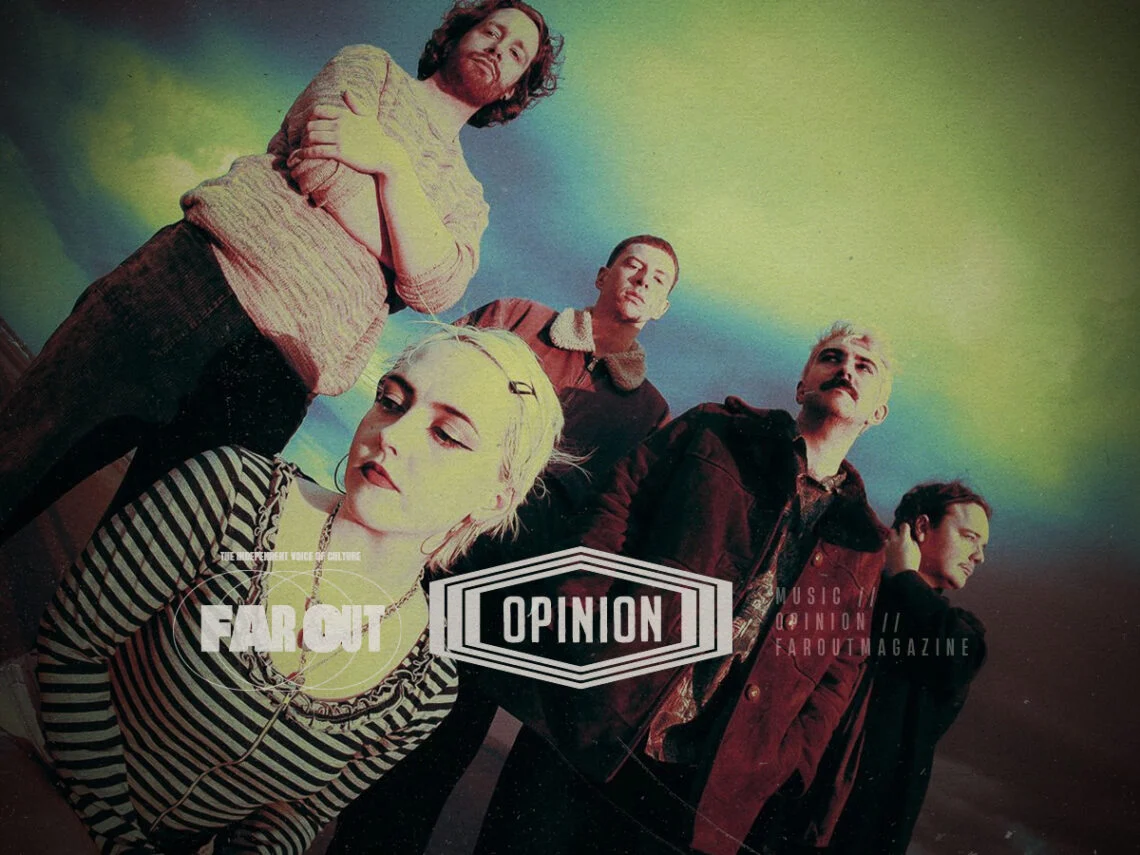
Irish band Just Mustard’s debut album “Wednesday,” released in 2018, exemplifies how music can become deeply intertwined with personal memories. For many listeners, the album’s shoegaze sound—a blend of noisy guitars and ethereal vocals—evokes specific moments of youth and transition. One fan recalls how the album accompanied her first months at university, a time filled with both excitement and anxiety. The abrasive opener “Boo” mirrored her nervousness, while tracks like “Pigs” motivated her to keep pushing forward despite the pressure of deadlines and self-doubt.
The emotional connection to “Wednesday” is so strong that years later, hearing it still brings back detailed images of studying in the library or walking across campus. This association between music and memory highlights the unique way songs about nostalgia can serve as emotional anchors, helping people revisit their past with a new perspective. Just Mustard’s evolving discography, including their recent album “WE WERE JUST HERE,” shows how nostalgia can coexist with growth, offering a bridge between who we were and who we are becoming.
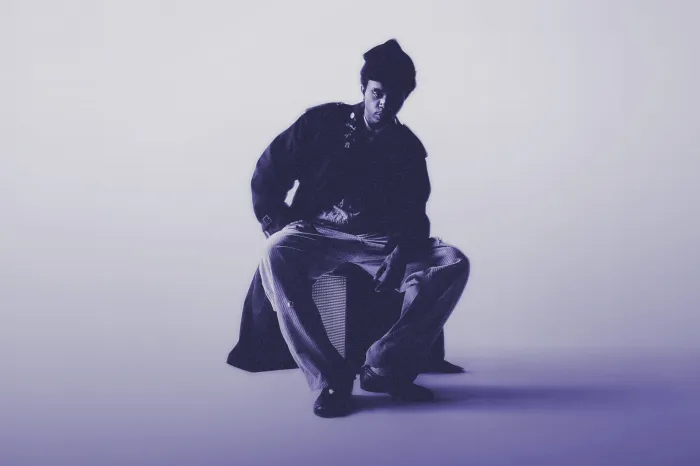
In a different musical approach, Alt-R&B artist Casper Sage confronts nostalgia head-on with his EP “PATINA.” Rather than idealizing the past, Sage explores the complexity of remembering painful experiences while learning to let go. His songs chronicle the breakdown of a significant relationship, capturing raw emotions as they happen instead of waiting for closure. This immediacy creates an honest narrative where confusion, hope, and acceptance coexist.
The concept of “patina” — the marks left by time that add character rather than diminish value — serves as a metaphor for human experience in Sage’s work. Tracks like “bits + pieces” embrace fragmentation and contradiction, showing how good memories can both comfort and deepen pain. Meanwhile, songs such as “Change Your Mind” offer space for hope and freedom amid emotional turmoil. Sage’s refusal to shy away from difficult feelings invites listeners to see nostalgia not as a trap but as an opportunity for growth.
Both Just Mustard and Casper Sage demonstrate that songs about nostalgia are not merely about looking back fondly but about understanding the past’s role in shaping identity. Whether through shoegaze textures or soulful R&B rhythms, these artists create music that resonates deeply because it acknowledges the complexity of memory—the joy, anxiety, loss, and hope intertwined in our recollections.
As audiences continue to seek music that reflects their own journeys, songs about nostalgia remain vital. They offer a way to connect personal history with present experience, reminding us that while we cannot live in the past, we carry its lessons and emotions forward. Music becomes a living archive of memory—one that evolves as we do.