
















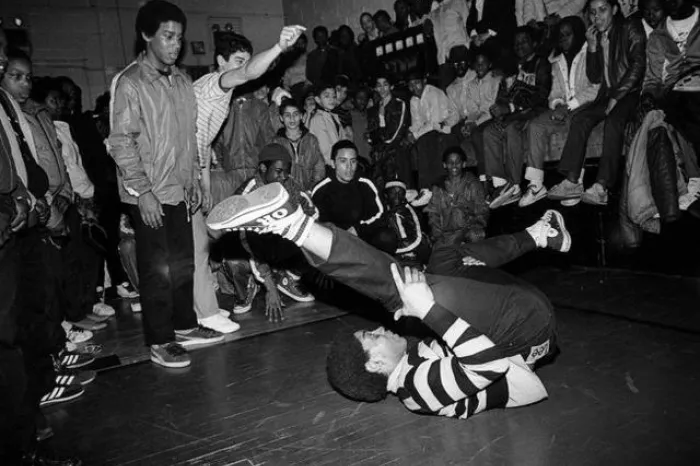
Hip hop music, a cultural movement that has profoundly shaped global music and society, originated in the Bronx, New York City, during the late 1970s. This genre began as a voice for marginalized communities, blending rhythmic music with expressive storytelling. Its evolution from street parties and block gatherings into a worldwide cultural force highlights both its adaptability and enduring appeal.
The origins of hip hop are closely tied to pioneering DJs like Kool Herc and Grandmaster Flash, who transformed the way music was experienced by emphasizing breakbeats and live mixing. These early innovators recorded their live DJ sets onto cassette tapes, circulating them throughout New York’s boroughs. These tapes were the precursors to what became known as mixtapes — raw, unofficial collections that captured the energy of local scenes and allowed hip hop to spread organically.
In the 1990s and early 2000s, mixtapes evolved from DJ-curated collections into platforms for rappers themselves. Artists like 50 Cent and Lil Wayne used mixtapes not just as promotional tools but as creative outlets that built direct connections with their audiences. This shift empowered artists to bypass traditional music industry gatekeepers and share their work freely, fostering fan loyalty and launching successful careers outside of conventional album releases.
However, the physical mixtape culture faced challenges with legal crackdowns in the mid-2000s, notably when authorities raided studios distributing unauthorized CDs. This disruption coincided with the rise of the internet, where platforms like DatPiff enabled free digital downloads that expanded hip hop’s reach globally. Despite these changes, the mixtape remained central to hip hop’s ethos — a symbol of artistic freedom and community connection.
The advent of streaming services such as Spotify and Apple Music further transformed hip hop distribution. These platforms required all music to be legally cleared and professionally released, which complicated the traditional mixtape model based on unlicensed samples and informal releases. Nevertheless, artists adapted by redefining mixtapes as fully produced albums with commercial backing while maintaining their original spirit of direct artist-to-fan engagement.
Today’s hip hop landscape benefits from advanced digital tools including AI-driven music production software that lowers barriers for independent artists. This technological progress continues the DIY tradition rooted in early hip hop culture by enabling musicians to create original tracks without expensive studio resources. The essence of hip hop remains a powerful dialogue between artists and their communities, reflecting social realities while pushing creative boundaries.
The cultural impact of hip hop extends beyond music into fashion, language, politics, and social activism. Events like Bun B’s upcoming celebration of UGK’s 30th anniversary highlight how regional styles—such as Southern hip hop—have contributed distinct voices to the genre’s rich tapestry. UGK’s album “Ridin’ Dirty,” released in 1996, was pivotal in bringing Houston’s perspective to national prominence and influencing subsequent generations.
As hip hop continues to evolve in form and reach, its origins in New York City remain a foundational reference point for understanding its significance. From humble beginnings marked by community gatherings and cassette tapes to global stages filled with immersive performances and innovative technology, hip hop stands as a testament to cultural resilience and creative innovation.