











Songs inspired by the theme of “paper airplanes” have recently captured attention across different areas of popular music, illustrating the power of simple imagery in connecting artists and audiences. This motif appears not only in live performances but also in viral social moments and film soundtracks, reflecting diverse emotions from nostalgia to hope.
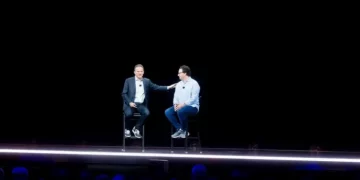
One notable example is musician Ben Folds’ unique Paper Airplane Request Tour, which took place at The Caverns, a large underground venue. During his solo concert, Folds performed a set where audience members wrote song requests on paper, folded them into airplanes, and launched them toward the stage. He then selected airplanes and played the requested songs, including classics from his band Ben Folds Five and new material. This interactive experience blended storytelling, impromptu jams, and fan engagement, creating a memorable night that highlights how paper airplanes can symbolize connection and spontaneity in live music.

Meanwhile, a heartwarming story from Lakewood has gone viral online involving an eight-year-old girl named Madeline Glynn. She wanted to request a song from her neighbor but felt shy about approaching directly. Instead, she wrote her request on a paper airplane and sent it over the fence. The neighbor, a musician named Ethan Hayes, responded by playing the requested Taylor Swift song on his porch. A video capturing this genuine moment of kindness and community has amassed millions of views on social media. This simple act reminds people how small gestures can build friendships and brighten everyday life.
On another front, the theme of paper airplanes appears in cinematic music through Ruth B.’s song “Paper Airplanes,” featured in Tyler Perry’s film “A Jazzman’s Blues.” The song conveys deep longing and hope as characters use paper planes to send secret messages during difficult times. Ruth B., a Canadian singer-songwriter of Ethiopian descent, crafted this soulful ballad with jazz influences to fit the film’s 1930s setting. The emotional impact was so strong that Tyler Perry himself was moved to tears upon hearing it. This illustrates how the image of paper airplanes resonates as a symbol of love and communication across generations.
Together, these examples show how “paper airplanes” serve as a versatile metaphor in music and culture. Whether in an intimate concert setting where fans physically toss their requests or in viral acts of kindness between neighbors, or as a poignant element in storytelling through film soundtracks, paper airplanes evoke themes of connection, hope, and expression.
The recurring presence of this motif highlights its universal appeal—simple objects carrying complex emotions and bridging gaps between people. As artists continue to explore such imagery in their work, audiences find comfort and inspiration in these delicate yet powerful symbols soaring through music and moments.
Fans interested in experiencing these musical expressions can follow Ben Folds’ ongoing tour for more interactive shows or explore Ruth B.’s soundtrack contributions for emotional depth. Meanwhile, the Lakewood story remains a touching reminder that kindness can take flight with nothing more than folded paper and an open heart.