
















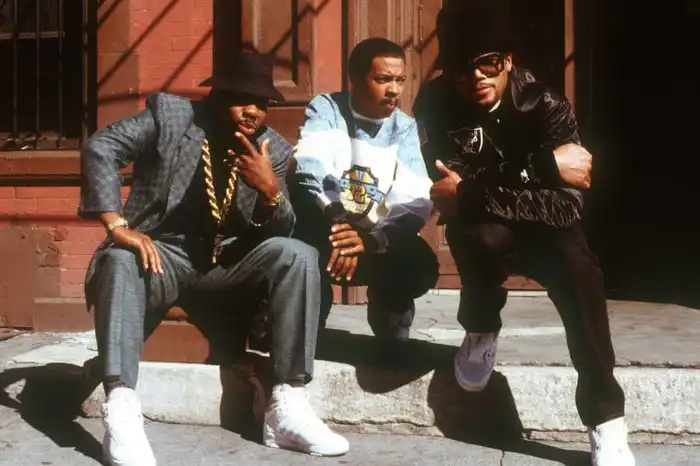
Hip hop has long been recognized as a vibrant cultural force that extends far beyond music. It influences fashion, language, dance, and the broader entertainment industry. This cultural movement, which originated in the 1970s in the Bronx, New York City, has grown into a global phenomenon that shapes media and entertainment culture worldwide.
The question “Is hip hop a culture?” is often posed in discussions about its role and impact. The answer is a resounding yes. Hip hop represents more than just a musical genre; it embodies a way of life and a means of expression for many communities. It includes four key elements: rapping (MCing), DJing, breakdancing, and graffiti art. Together, these elements create a unique cultural identity that resonates across generations and demographics.
In recent developments within the entertainment industry, notable music groups with roots connected to hip hop and pop have made significant announcements impacting fans worldwide. For example, the Pussycat Dolls recently canceled most dates of their North American reunion tour, citing difficult decisions after reviewing the tour’s logistics. However, they will perform at a significant event celebrating the LGBTQ+ community in Los Angeles.
The group expressed gratitude towards their fans and emphasized their commitment to delivering memorable performances in Europe and the United Kingdom where their shows continue as planned. This decision highlights the challenges artists face in balancing tour demands while maintaining connections with diverse audiences.
Hip hop’s influence permeates these events as well. The genre’s ties to community celebrations such as Pride events reflect its ongoing role in supporting social movements and fostering inclusivity. Hip hop culture’s presence in media is not limited to music but extends to festivals, fashion collaborations, television, and film.
Moreover, hip hop culture continues to inspire creative collaborations across entertainment sectors. From streetwear brands partnering with artists to film productions featuring hip hop soundtracks and narratives, the culture remains deeply woven into modern media fabric.
As hip hop evolves, its cultural significance grows beyond entertainment. It serves as a platform for social commentary, empowerment, and community connection. The recent tour cancellations by groups linked to this vibrant culture underscore the dynamic nature of live performances amid changing industry landscapes.
Overall, hip hop stands as a powerful cultural movement influencing media and entertainment globally. Its ability to adapt while retaining core elements ensures it remains relevant and impactful for current and future generations.