




















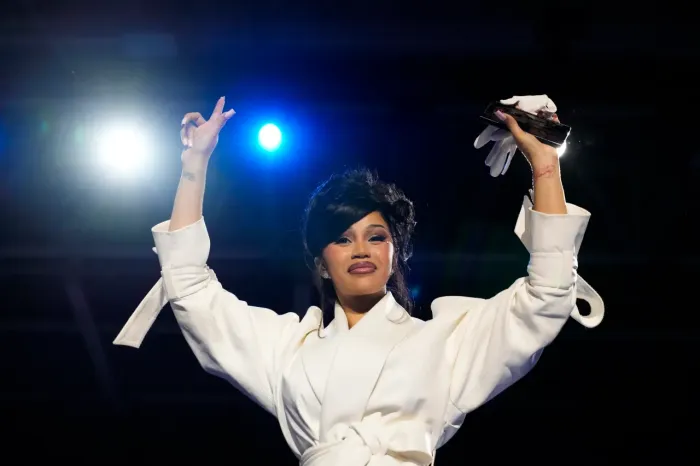
Hip-hop’s influence on education and culture is sparking debate at several historically Black colleges and universities (HBCUs). At the center of this discussion is Howard University’s decision to introduce a new course titled “The Cardi B: Am I The Drama? The Art, Production, Marketing, and Cultural Impact of Hip-Hop.” This class aims to explore the cultural and business aspects of hip-hop through the lens of Cardi B’s career. However, the move has drawn mixed reactions about whether hip-hop belongs in rigorous academic study.
Howard University, founded in 1867 with a mission to educate newly emancipated slaves, has long been regarded as a beacon of Black intellectual excellence. Its alumni include notable figures such as Thurgood Marshall and Toni Morrison, who have shaped American history and culture. Critics argue that offering a course centered on a contemporary hip-hop artist like Cardi B risks lowering academic standards and shifting focus from traditional scholarly pursuits to popular celebrity culture.
One critic expressed concern that students may be drawn more to celebrity appeal than critical thinking or intellectual growth. They emphasized that institutions like Howard should challenge students to engage deeply with classical texts and enduring ideas rather than trend-driven topics. This perspective calls for maintaining the university’s legacy as an incubator of leadership and rigorous scholarship.
In contrast, supporters of integrating hip-hop into academia highlight its significance as a cultural movement that reflects social realities, entrepreneurial spirit, and artistic innovation. They argue that hip-hop is more than entertainment—it is a powerful form of expression and cultural identity for many communities. Including courses on hip-hop could provide students with relevant tools to understand modern society and business practices.
Adding nuance to the conversation is the example of hip-hop producer 9th Wonder, who will soon graduate from North Carolina Central University after nearly three decades. Despite his global success in music production and education, he never lost sight of his dream to complete his college degree at an HBCU. His journey underscores how hip-hop artists can value both academic achievement and cultural contributions simultaneously.
9th Wonder’s story illustrates that hip-hop culture can coexist with academic aspirations. He has taught at prestigious institutions like Duke and Harvard while maintaining deep ties to HBCU communities. His upcoming graduation ceremony symbolizes a homecoming not only for him but also for the broader acceptance of hip-hop’s role within educational spaces traditionally dedicated to Black excellence.
The question “Is hip hop a culture?” remains central to these discussions. For many, hip-hop represents a rich cultural heritage encompassing music, fashion, language, politics, and business. Its inclusion in academic programs invites students to critically analyze its impact rather than dismiss it as mere entertainment.
As universities continue to evolve their curricula, balancing respect for tradition with contemporary relevance remains challenging. The integration of hip-hop studies at HBCUs reflects ongoing efforts to connect education with students’ lived experiences while fostering critical engagement with cultural phenomena.
Ultimately, the debate highlights broader questions about what constitutes valuable knowledge in higher education. Whether viewed as a legitimate field of study or a controversial trend, hip-hop’s growing presence on campus signals its undeniable role in shaping identity, creativity, and scholarship today.