





















Music lovers often cherish albums as complete works of art, yet many iconic records contain at least one song that fans find disappointing or out of place. This phenomenon, where a single track detracts from an otherwise celebrated album, spans decades and genres. From legendary rock bands like The Beatles and Led Zeppelin to modern country artists such as Kacey Musgraves, the impact of these songs about missed marks or forced aesthetics sparks lively discussion among critics and fans alike.
Classic rock albums are not immune to this issue. For instance, The Beatles’ 1965 album Rubber Soul is widely praised for its innovative songwriting and depth. However, the track “Run For Your Life” stands out negatively for its unsettling lyrics that even John Lennon later regretted. Similarly, Led Zeppelin’s 1973 release Houses of the Holy features “The Crunge,” a funk-inspired track that many listeners find awkward and out of sync with the rest of the album’s powerful rock compositions.
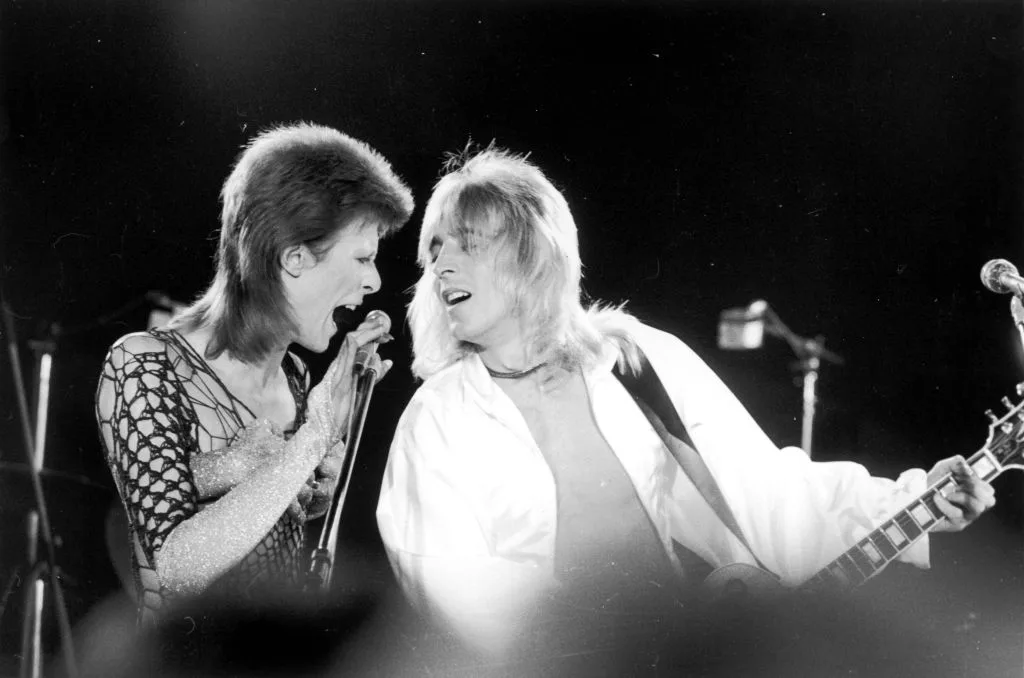
David Bowie’s Ziggy Stardust also harbors a track considered less successful. “It Ain’t Easy,” written by Ron Davies, contrasts sharply with Bowie’s glam rock masterpieces on the album. Critics note that while Bowie’s originals brim with energy and innovation, this particular song feels ponderous and disconnected. Pink Floyd’s Meddle contains “Seamus,” a novelty blues tune featuring a dog’s whimpers, which some find jarring amidst the album’s atmospheric soundscapes.
Turning to the country genre, Kacey Musgraves’ recent album Middle of Nowhere has sparked conversation about how artists balance music with image. Fans praise standout songs like “Middle of Nowhere” and “Dry Spell” for their authenticity and emotional resonance. Yet some listeners express fatigue over the heavy emphasis on aesthetic presentation in modern female country artists’ promotional efforts. One fan remarked on how male country stars often maintain casual stage attire, while women sometimes adopt highly stylized looks tied to specific “eras,” which can feel forced.
This debate touches on broader industry trends where female musicians face intense scrutiny regarding their appearance alongside their music. While some argue that this marketing strategy is effective and embraces artistry beyond sound, others long for a time when talent alone was the main focus. Supporters of Musgraves highlight her laid-back style during this album cycle as a refreshing change but acknowledge ongoing challenges in separating image from music.
Musgraves’ album itself resists simple categorization. Contrary to assumptions that it promotes overt sexuality, many tracks explore themes of vulnerability, introspection, and even anti-sex sentiments. Songs like “Loneliest Girl” emphasize emotional complexity rather than surface-level allure. This nuanced approach has resonated with listeners who appreciate depth over flashiness.
Ultimately, both the critique of songs that detract from great albums and discussions about image in music reveal how audiences engage deeply with the art form. Whether it’s revisiting classic albums to identify less successful tracks or unpacking contemporary country music’s aesthetic dynamics, fans continue to analyze what makes songs memorable—or forgettable—and how artists present themselves in an evolving cultural landscape.