













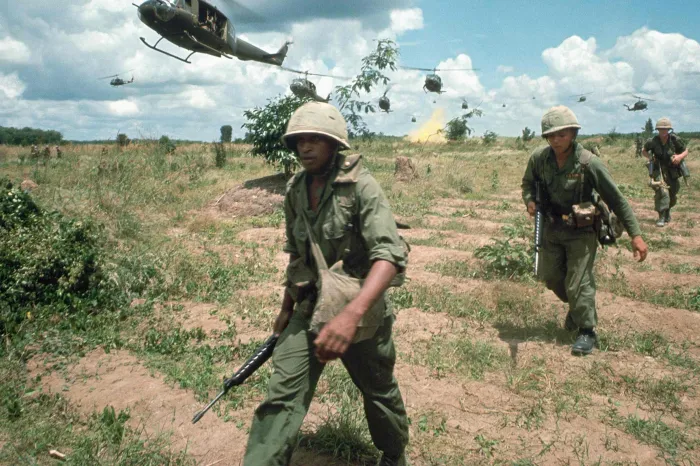
Songs have long served as powerful reflections of historical events and cultural movements, capturing the emotions and voices of people living through turbulent times. Among the most enduring examples are songs about the Vietnam War, which continue to resonate with listeners decades after the conflict ended. These songs not only express protest but also highlight the human cost and lasting impact of war.
One of the most iconic protest songs about the Vietnam War is “War,” famously performed by Edwin Starr in 1970. Originally recorded by The Temptations, Starr’s version brought an intense energy that fused funk with a serious anti-war message. His lyrics bluntly condemn war as a source of destruction and sorrow, especially for mothers who lose their sons in battle. This song struck a chord with the public, topping the Billboard Hot 100 chart for three weeks and becoming an anthem for peace and resistance during a deeply divided era.
Another song that carries significant cultural weight is “Orange Crush” by R.E.M., released in 1988, well after the U.S. had withdrawn from Vietnam. Unlike traditional protest songs that focus on combat, “Orange Crush” addresses the consequences of chemical warfare, specifically the use of Agent Orange. This herbicide was deployed to remove forest cover but caused severe health problems for Vietnamese civilians and veterans alike, including birth defects and chronic illnesses. The song’s haunting tone and cryptic lyrics remind listeners that the effects of war linger long after fighting stops.
In contrast, “We Gotta Get Out Of This Place” by The Animals, released in 1965, was not originally written as a Vietnam War protest song but evolved into one through its adoption by American soldiers. Its blues rock rhythm combined with lyrics about escape and hope spoke directly to G.I.s stationed far from home. The song’s message of yearning for a better life made it a beloved tune among troops seeking relief from the horrors of war. Its popularity among soldiers illustrates how music can take on new meanings based on listeners’ experiences.
These songs showcase different musical styles—from psychedelic soul to blues rock to alternative rock—demonstrating how artists across genres have used their craft to comment on social issues. They reflect not only opposition to war but also empathy for those affected by it. Over time, these tunes have become more than just period pieces; they serve as reminders of the costs of conflict and the enduring hope for peace.
The continued relevance of these Vietnam War songs underscores music’s role as a historical document and cultural expression. They invite new generations to learn about past struggles while inspiring reflection on present-day conflicts. Whether through direct protest or emotional resonance, these songs maintain their power to connect listeners with history and humanity.